

 Español
 русский
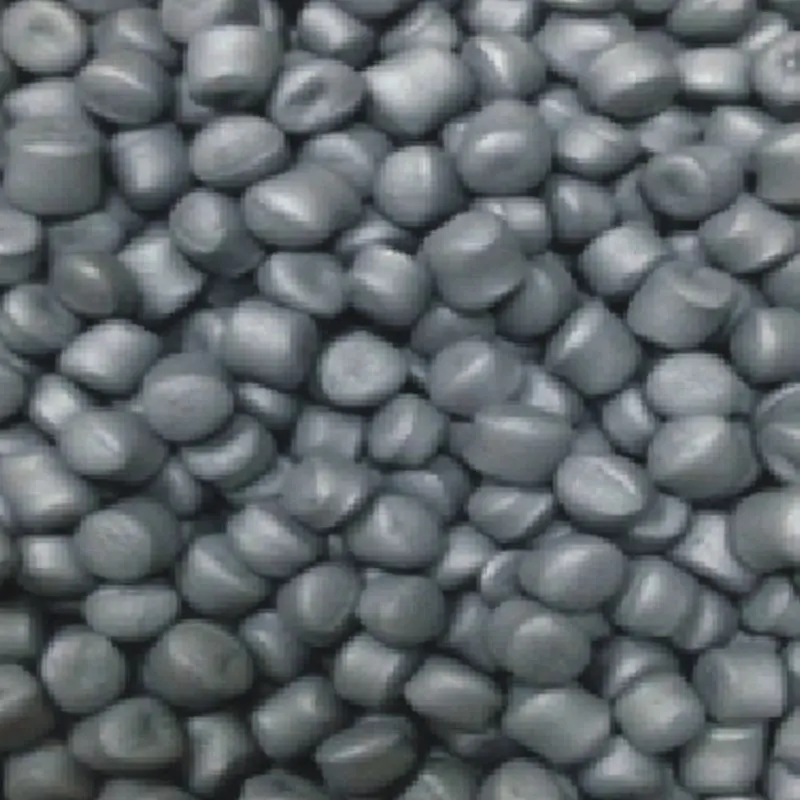
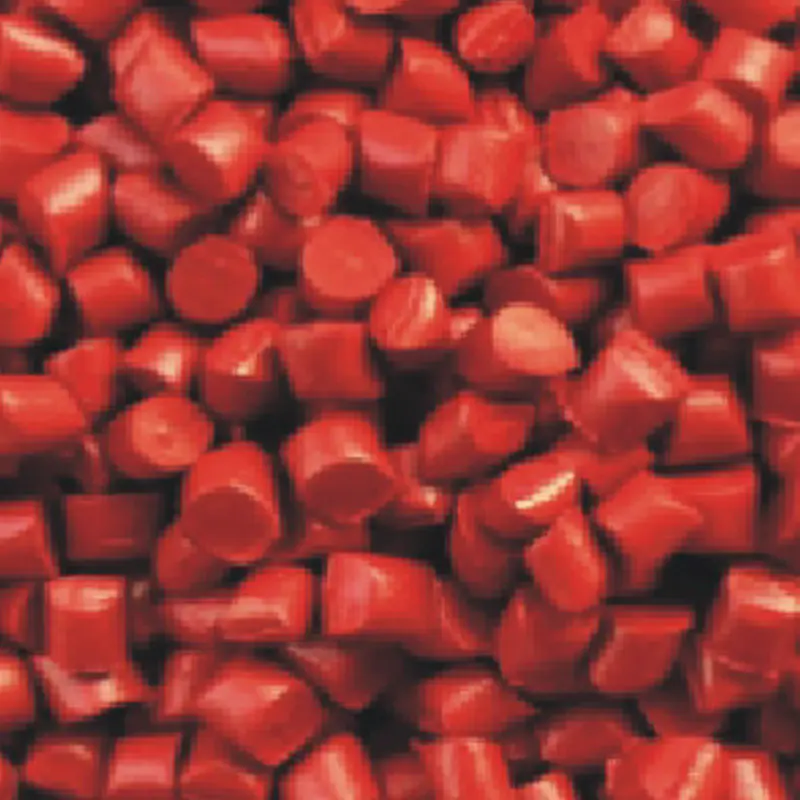
Global plastic manufacturing is shifting toward higher precision, faster production cycles, and stricter visual quality standards. Industries such as packaging, automotive components, home appliances, and consumer goods now require not only functional plastic parts but also highly consistent and brand-accurate coloration. In this context, Injection Color Masterbatch has become a critical material solution for manufacturers aiming to achieve stable color performance under high-speed injection molding conditions.
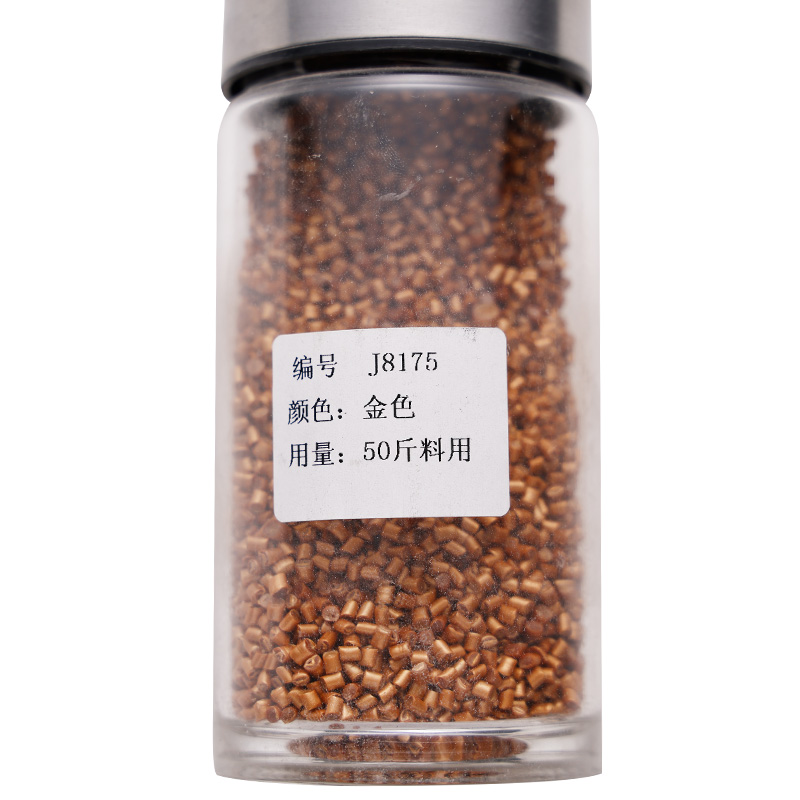
Recent procurement trends show that buyers are increasingly concerned with dispersion stability, heat resistance, and compatibility with recycled materials rather than only basic pigment cost.
Why Is Visual Consistency So Important in Plastic Products?
In today’s competitive markets, product appearance directly influences brand perception and customer trust. Even slight color differences can advance to rejection in quality inspection or customer complaints.
Manufacturers are prioritizing solutions that ensure:
- Uniform color output across multiple production batches
- Reduced variation between different injection molding machines
- Accurate color matching for brand-specific requirements
- Stable visual performance under long production cycles
Color consistency has become a core requirement rather than an optional enhancement.
How Does Injection Molding Affect Color Performance?
Injection molding involves high temperature, pressure, and rapid cooling cycles, all of which can affect pigment behavior. If the material is not properly engineered, color defects may appear during production.
Key performance requirements include:
- Stable pigment dispersion under high shear conditions
- Resistance to thermal degradation during melting
- Smooth flow behavior without streaking or spotting
- Compatibility with different resin systems
These factors directly impact production efficiency and final product quality.
Why Is Dispersion Technology a Major Buying Concern?
Poor pigment dispersion can result in uneven coloration, visible defects, and inconsistent product appearance. This leads to higher waste rates and increased production costs.
Buyers are focusing on:
- Fine and uniform pigment particle distribution
- Strong compatibility with base resins
- Reduced risk of color migration or fading
- Stable performance in continuous production environments
High-quality dispersion technology ensures reliable and repeatable output.
How Is Sustainability Influencing Material Selection?
Sustainability requirements are becoming more important in global plastics manufacturing. Many companies are working to reduce environmental impact while maintaining product performance.
Industry trends include:
- Improved efficiency in pigment usage
- Better compatibility with recycled plastics
- Reduced material waste during processing
- Optimization for energy-efficient production systems
These changes are shaping how masterbatch materials are developed and selected.
Why Is Production Efficiency Closely Linked to Material Quality?
In high-volume manufacturing, even small material inconsistencies can advance to machine downtime or production delays. Stable masterbatch performance helps maintain smooth operations.
Key efficiency factors include:
- Consistent melt flow during injection molding
- Reduced cleaning and maintenance interruptions
- Stable feeding performance in dosing systems
- Lower defect rates during mass production
Efficient materials directly support continuous production stability.
Manufacturer Insight: What Are Global Buyers Looking For?
As a manufacturer specializing in color additive solutions, we see a clear shift toward technical reliability and application-specific performance. Buyers are no longer focused solely on price but on long-term production value.
Typical OEM requirements include:
- Custom color development for specific industries
- Stable batch-to-batch quality control
- Resin-specific formulation optimization
- Scalable supply capability for large orders
This reflects a broader trend toward precision-driven plastic manufacturing.
Is Color Stability Becoming a Core Manufacturing Standard?
As plastic products become more design-driven and quality-sensitive, color consistency has become a fundamental requirement in injection molding production. Material selection now plays a direct role in product competitiveness and brand identity.
In this environment, partnering with a reliable Color Masterbatch Factory helps manufacturers achieve stable coloration, improved production efficiency, and consistent quality across diverse injection molding applications.