

 Español
 русский
Global plastic manufacturing is entering a new phase where efficiency, precision, and sustainability are becoming central purchasing criteria. From packaging and household goods to automotive interiors and industrial components, manufacturers are under pressure to improve production speed while maintaining strict visual and mechanical quality standards. In this context, Injection Color Masterbatch is increasingly being evaluated not just as a coloring material, but as a functional production enabler that directly impacts processing stability and final product consistency.
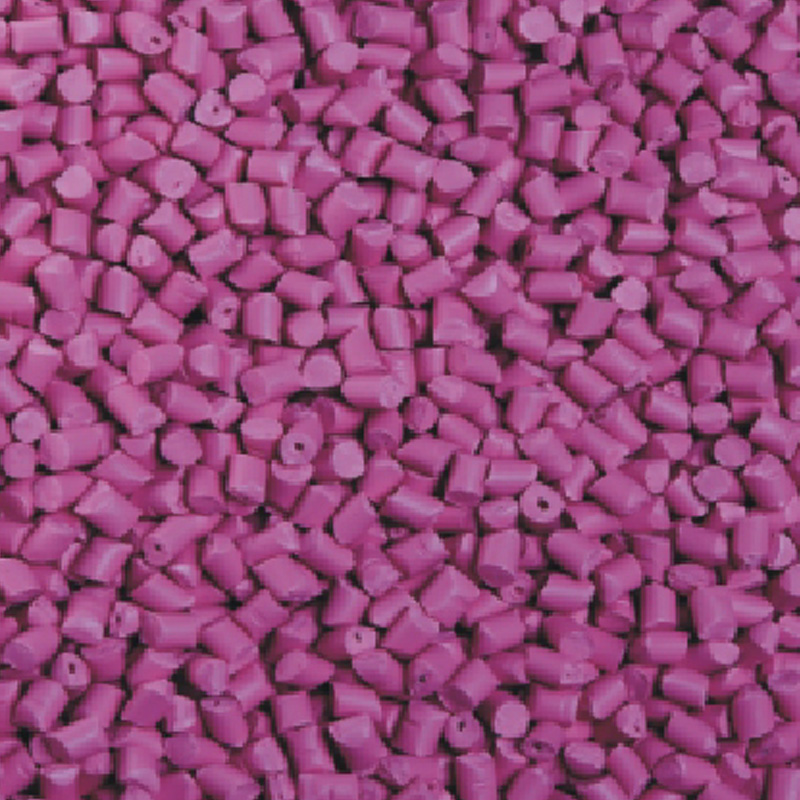
Recent industry search trends show growing interest in melt stability, compatibility with recycled resins, and defect reduction in high-speed injection molding environments.
Why Are Manufacturers Prioritizing Process Stability Over Raw Cost?
In modern injection molding operations, production downtime and defect rates often cost more than material price differences. As a result, buyers are shifting focus toward process stability and long-term efficiency.
Key priorities include:
- Stable color output during continuous production
- Reduced fluctuation in injection molding cycles
- Lower rejection rates caused by color inconsistency
- Improved machine uptime and operational efficiency
This shift reflects a more engineering-driven approach to material selection.
How Does Material Dispersion Impact Final Product Quality?
Color performance in plastic products is highly dependent on how evenly pigments are dispersed within the polymer matrix. Poor dispersion can create visible defects that reduce product value.
Buyers are increasingly evaluating:
- Uniform pigment distribution during extrusion
- Absence of streaking, spotting, or color bands
- Stable color intensity across different batches
- Compatibility with high-speed injection systems
Advanced dispersion technology is now essential for achieving consistent product appearance.
Why Is Compatibility with Recycled Plastics Becoming Important?
Sustainability initiatives are influencing raw material selection across global manufacturing industries. Many factories are increasing the use of recycled polymers, which require more adaptable masterbatch formulations.
Key considerations include:
- Stable performance in mixed resin environments
- Resistance to contamination-related color shifts
- Consistent dispersion in recycled material blends
- Reduced processing instability during molding
This trend is pushing suppliers to develop more flexible and robust formulations.
How Is Automation Changing Color Masterbatch Requirements?
With the expansion of automated injection molding systems, material consistency has become more critical than ever. Machines now operate at higher speeds with less manual intervention, increasing the importance of predictable material behavior.
Industry requirements now include:
- Stable feeding performance in automated dosing systems
- Consistent melting behavior under high-speed cycles
- Reduced machine calibration adjustments
- Reliable performance across different production lines
Automation is raising the technical standards for raw materials.
Why Is Defect Reduction a Major Purchasing Factor?
Production defects such as color variation, black spots, or uneven shading can significantly increase waste rates and production costs. Buyers are prioritizing materials that minimize these risks.
Procurement teams focus on:
- Lower defect occurrence during mass production
- Stable color repeatability across batches
- Reduced need for post-production sorting
- Improved first-pass yield rates
Defect reduction directly improves profitability and efficiency.
Manufacturer Insight: What Are Global Buyers Expecting Today?
As a manufacturer serving global plastic processing industries, we observe a clear shift toward performance-based procurement. Buyers are increasingly evaluating suppliers based on technical consistency and application support.
Common expectations include:
- Custom color matching for specific product applications
- Stable batch-to-batch production quality control
- Resin-specific formulation optimization
- Scalable supply capacity for continuous production needs
This reflects the increasing sophistication of global injection molding supply chains.
Is Material Engineering Becoming the Core of Plastic Manufacturing Efficiency?
As injection molding industries continue to scale, material performance is becoming a key driver of production efficiency and product quality. Color masterbatch is no longer just a pigment carrier—it is an essential component in maintaining stable, high-speed manufacturing.
In this evolving environment, working with a reliable Color Masterbatch Factory helps manufacturers achieve improved process stability, reduced defect rates, and consistent color performance across modern injection molding applications.