

 Español
 русский
In many injection molding projects, manufacturers often face a confusing situation: samples look perfect, but problems appear once mass production begins. This issue is common across packaging, household goods, electronics housings, and industrial plastic components. For overseas buyers and engineers, it leads to delays, rework, and unexpected quality disputes.
The main reason is that sample testing usually happens under controlled, small-batch conditions, while mass production introduces variables such as long running time, raw material fluctuations, and machine stability differences.
Sample vs Mass Production: Why Results Often Differ
During sample approval, production is usually slower, more carefully adjusted, and closely monitored. However, in real production environments, machines run continuously for long periods, which exposes hidden instability.
Typical differences include:
- stable color in samples but drift in production
- smooth surface in trial but defects in long runs
- consistent size in sample but variation during mass output
- better gloss in test parts than real batches
This gap is one of the biggest reasons for quality complaints in export manufacturing.
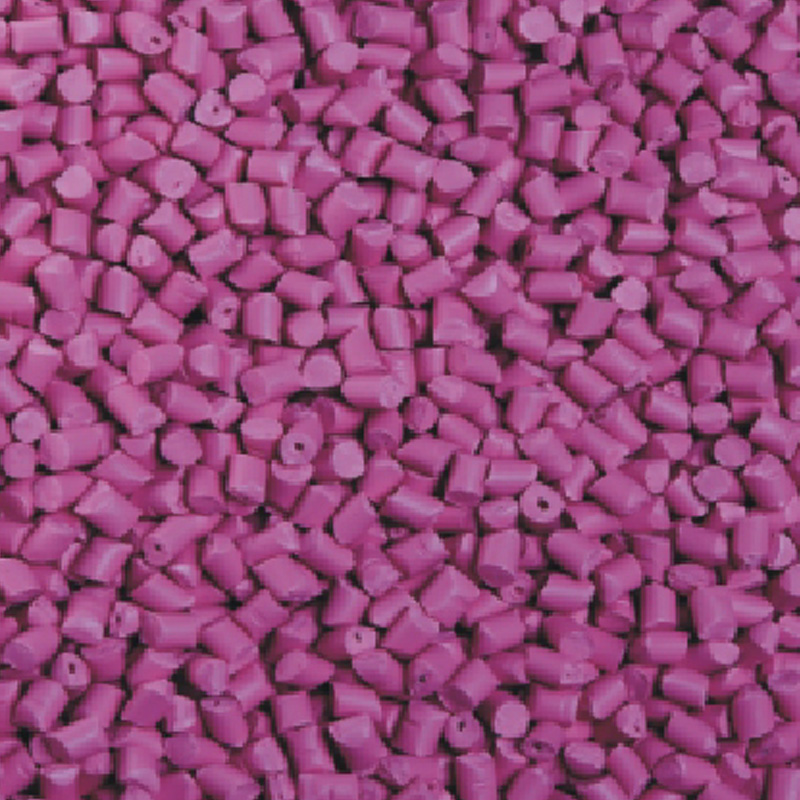
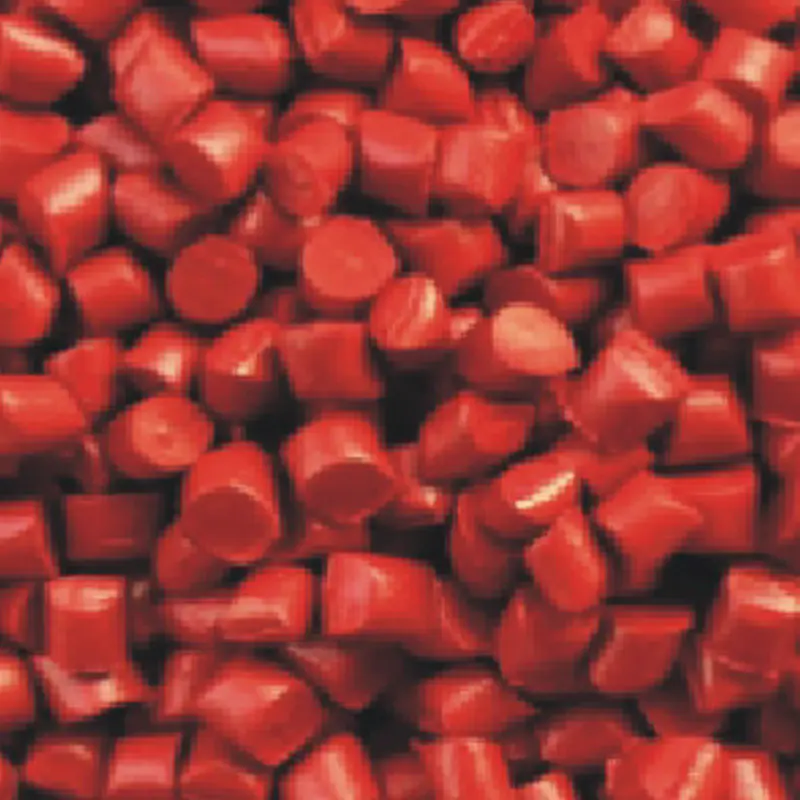
To reduce this issue, many factories rely on Injection Color Masterbatch to stabilize pigment dispersion and maintain more consistent color output during continuous production.
Machine Stability Changes Under Long Production Cycles
Injection molding machines behave differently when running for hours or days without interruption. Heat buildup, screw wear, and pressure fluctuations can gradually affect output quality.
Common problems include:
- unstable melt temperature distribution
- inconsistent pressure during injection cycles
- minor variation in cooling time
- gradual shift in surface texture
These small changes accumulate over time and advance to visible differences between early and late production batches.
Raw Material Mixing Differences Create Hidden Variation
Even when the same formula is used, small differences in raw material mixing can affect final results. This is especially common in factories using multiple suppliers or recycled materials.
Manufacturers often observe:
- inconsistent pigment dispersion
- variation in transparency or opacity
- unstable mechanical strength in different batches
- uneven color intensity across production runs
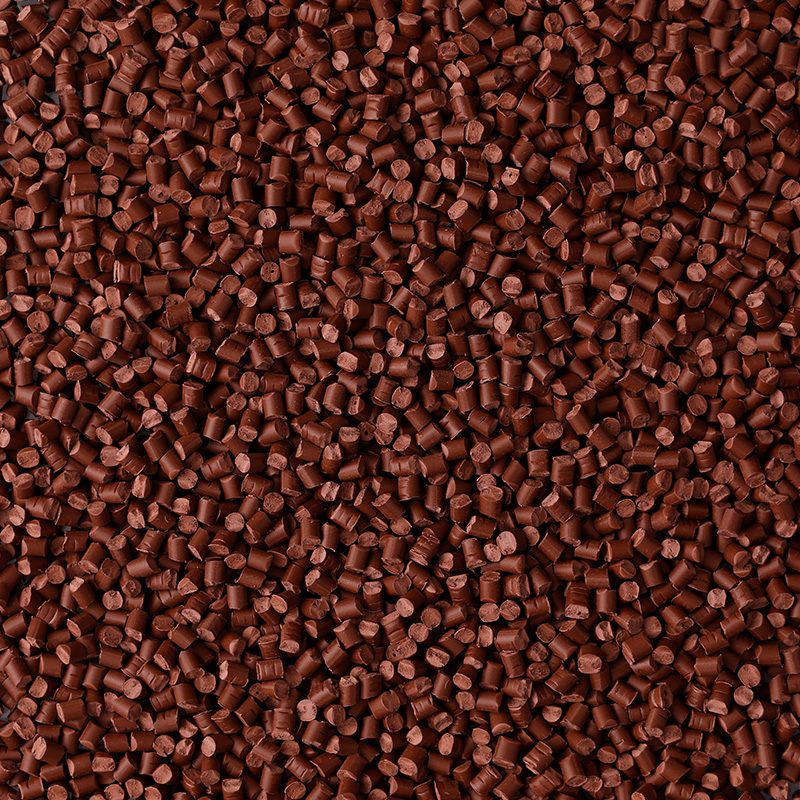
In some cases where functional performance is required, additives such as Antimicrobial Color Masterbatch are also used to support surface hygiene performance while maintaining color stability.
Environmental Conditions Affect Production Consistency
External environment conditions inside the factory can also influence production stability. Temperature and humidity changes affect material behavior before and during molding.
Key influencing factors:
- moisture absorption in raw materials
- temperature variation in workshop environment
- cooling system efficiency changes
- storage condition differences between batches
These factors are often overlooked but can significantly impact final product quality.
Mold Condition and Maintenance Are Often Ignored
Mold condition plays a major role in production consistency. Even a well-designed mold can produce unstable results if maintenance is not properly managed.
Common issues include:
- uneven mold temperature distribution
- surface wear affecting gloss quality
- poor venting causing flow marks
- residue buildup affecting texture
Regular maintenance is essential to ensure consistent output over long production cycles.
Key strategies include:
- using consistent pigment systems like Injection Color Masterbatch
- improving functional stability with solutions such as Antimicrobial Color Masterbatch
- strengthening raw material inspection before production
- optimizing machine calibration for long runs
These improvements help reduce variation and improve overall production reliability.
Failures in mass production after successful sample testing are usually not caused by a single issue but by a combination of machine behavior, material variation, and process instability. As global buyers demand higher consistency, manufacturers must focus not only on sample quality but also on long-term production control and material stability.