

 Español
 русский
In injection molding and extrusion industries, maintaining consistent product appearance across large-scale production is still a major challenge. As global buyers require tighter quality control, manufacturers are increasingly expected to deliver stable color output and smooth surface finish in every batch. However, issues such as color drift and surface defects continue to appear during continuous production, especially in export-oriented manufacturing environments.
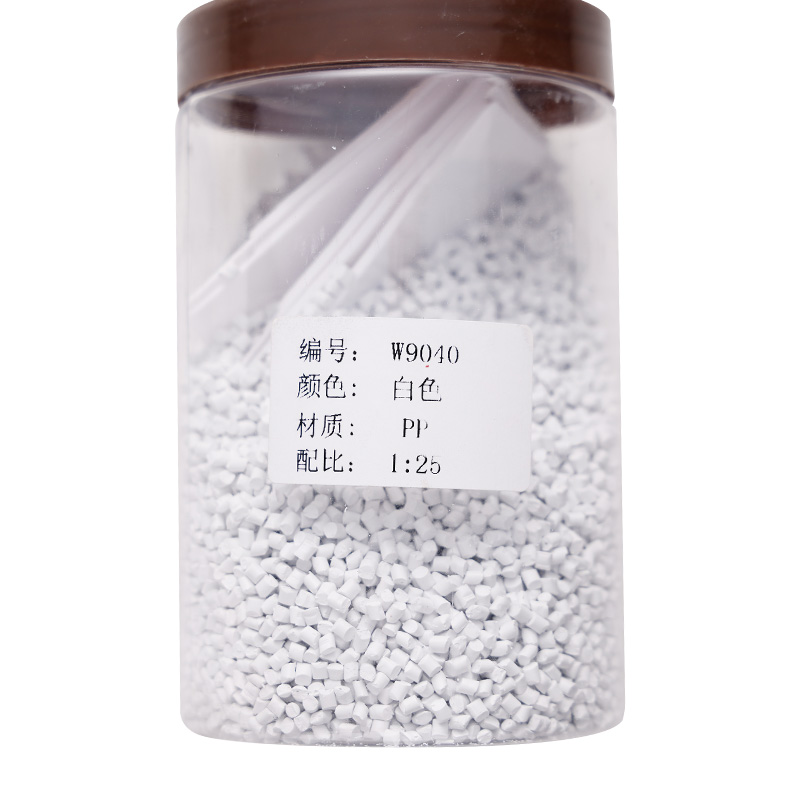
These problems often do not come from a single failure point. Instead, they are usually the result of combined factors such as raw material variation, processing instability, and inconsistent dispersion behavior inside the polymer system.
Color Drift Often Starts During Long Production Runs
One of the common issues in plastic manufacturing is gradual color change during continuous operation. Even when the original formula remains unchanged, the final output may shift slightly over time.
Typical signs include:
- tone variation between early and late production batches
- reduced color intensity during long runs
- uneven pigment distribution in thick sections
- mismatch between sample approval and mass output
This is especially noticeable in packaging, household goods, and consumer electronics parts where appearance consistency is critical for brand identity.
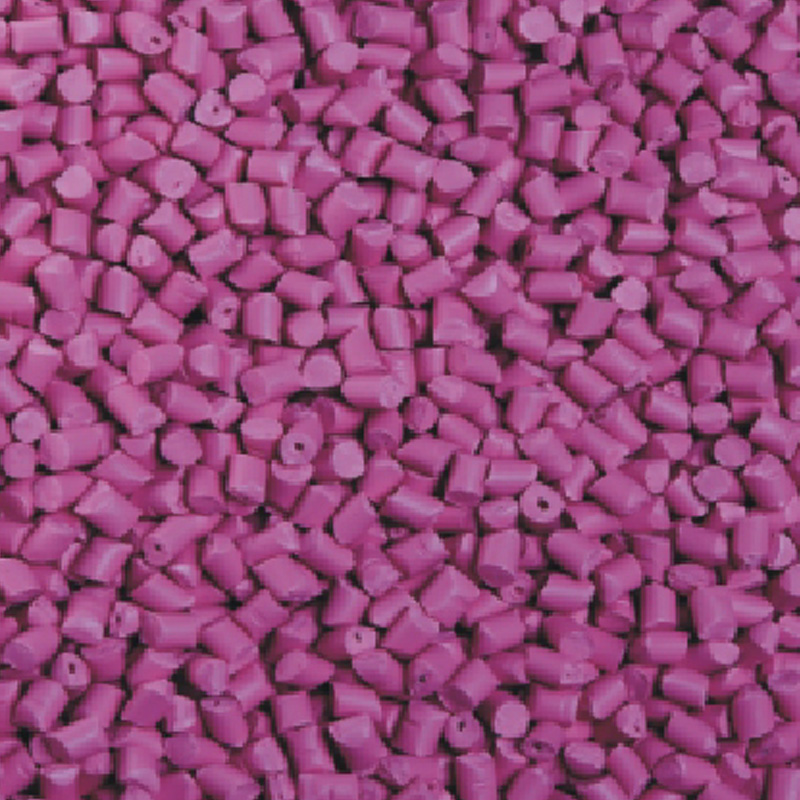
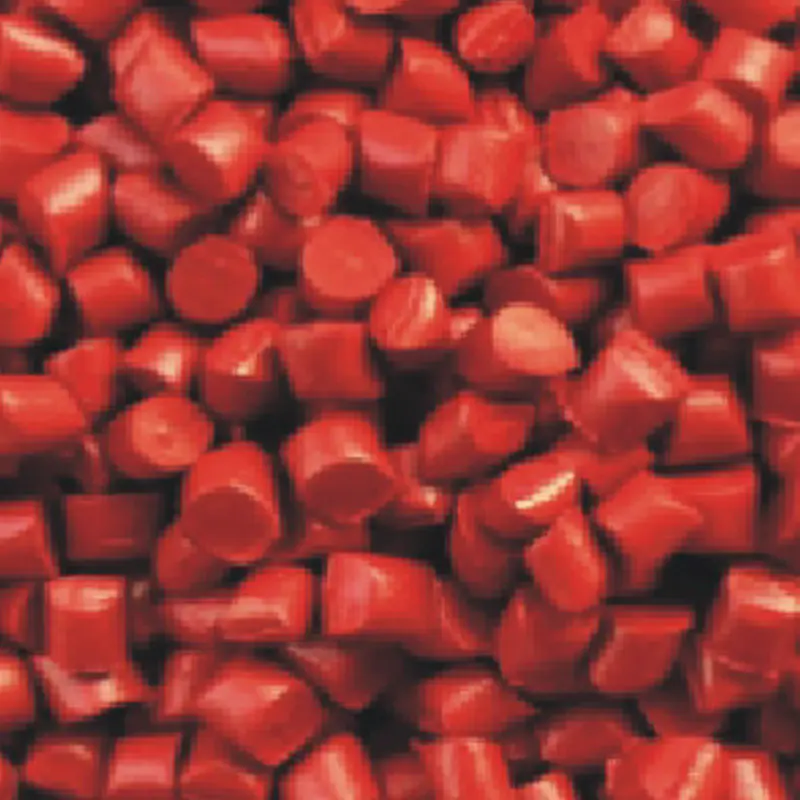
To reduce this issue, many manufacturers rely on Injection Color Masterbatch to improve pigment stability and maintain more consistent color performance during mass production.
Poor Pigment Dispersion Still Affects Product Appearance
Even when color formulation is correct, poor dispersion inside the polymer can still create visible surface problems.
Common defects include:
- fine streaks on molded surfaces
- uneven gloss reflection under lighting
- weak color depth in high-speed production
- flow marks in complex product structures
These issues often become more visible in automated production lines where speed and output volume are prioritized over manual adjustment.
In some applications that require higher hygiene or surface stability standards, manufacturers also evaluate functional additives such as Antimicrobial Color Masterbatch to improve both appearance consistency and surface performance in end-use environments.
Raw Material Variation Is a Hidden Source of Instability
Raw material inconsistency is one of the least visible but impactful causes of production variation. Small changes in pigment concentration or carrier resin behavior can significantly affect final product quality.
Manufacturers often face:
- inconsistent color response during heating
- variation in transparency or opacity
- unstable blending performance in extruders
- batch-to-batch output differences
These variations make it difficult to maintain stable production results without strict material control and formulation management.
Surface Quality Requirements Are Increasing in Global Markets
In modern plastic manufacturing, surface appearance is no longer a secondary concern. Buyers now expect smooth, uniform, and defect-free surfaces even for industrial-grade products.
Key expectations include:
- consistent gloss across all parts
- no visible streaking or whitening
- smooth surface texture after molding
- stable appearance after storage and transport
Surface defects can directly affect product acceptance in retail and industrial supply chains, even if structural performance is not affected.
Processing Conditions Also Influence Final Output
Injection molding machines operate under multiple variables that can influence final product quality. Even small changes in operating conditions can advance to noticeable differences in appearance.
Key factors include:
- barrel temperature fluctuation
- cooling rate differences
- screw speed variation
- mold pressure instability
When these parameters are not tightly controlled, color and surface inconsistencies become more likely during continuous production.
Stable Color and Surface Quality Define Production Competitiveness
In today’s global plastics market, competition is no longer based only on cost or basic functionality. Consistent color output, stable surface quality, and reliable mass production performance are now key requirements for international buyers.
Manufacturers that can effectively control color drift and surface defects while maintaining stable production conditions are better positioned to meet the evolving expectations of global supply chains.