

 Español
 русский
Injection molding production is under increasing pressure as global buyers demand not only stable appearance quality but also functional performance from plastic products. In industries such as packaging, consumer goods, medical accessories, and electronics housings, manufacturers are expected to deliver consistent color results while also meeting higher expectations for product safety and hygiene.
However, many factories still face two persistent problems: unstable color output between batches and limited surface protection against microbial contamination. These issues often appear during mass production rather than sampling, creating rework, delays, and quality complaints in export orders.
Color Variation Between Batches Remains a Core Problem
One of the common challenges in injection molding is inconsistent color performance across production runs. Even when formulas remain unchanged, small differences in processing conditions can affect final appearance.
Typical issues include:
- visible color shift between batches
- uneven pigment dispersion in molded parts
- weak color intensity during high-speed production
- mismatch between sample and final output
These problems are especially noticeable in packaging, household products, and consumer-facing plastic items where appearance directly impacts purchasing decisions.
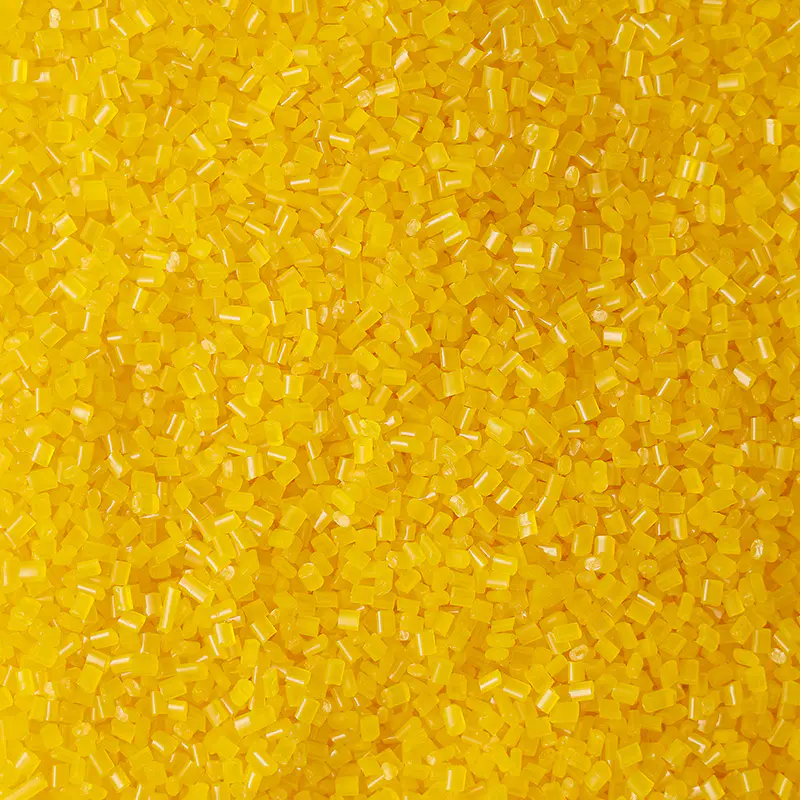
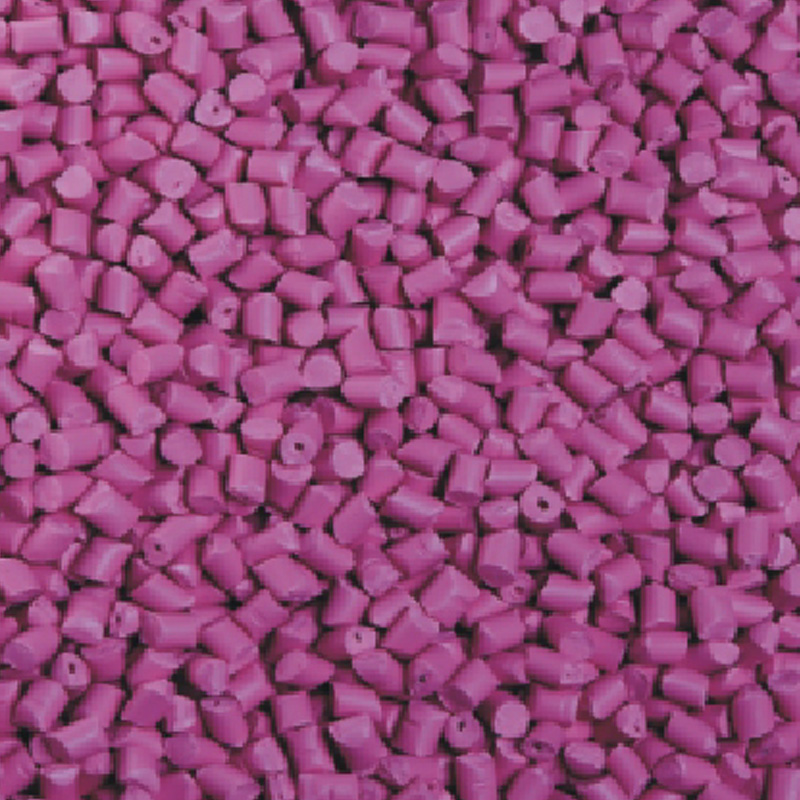
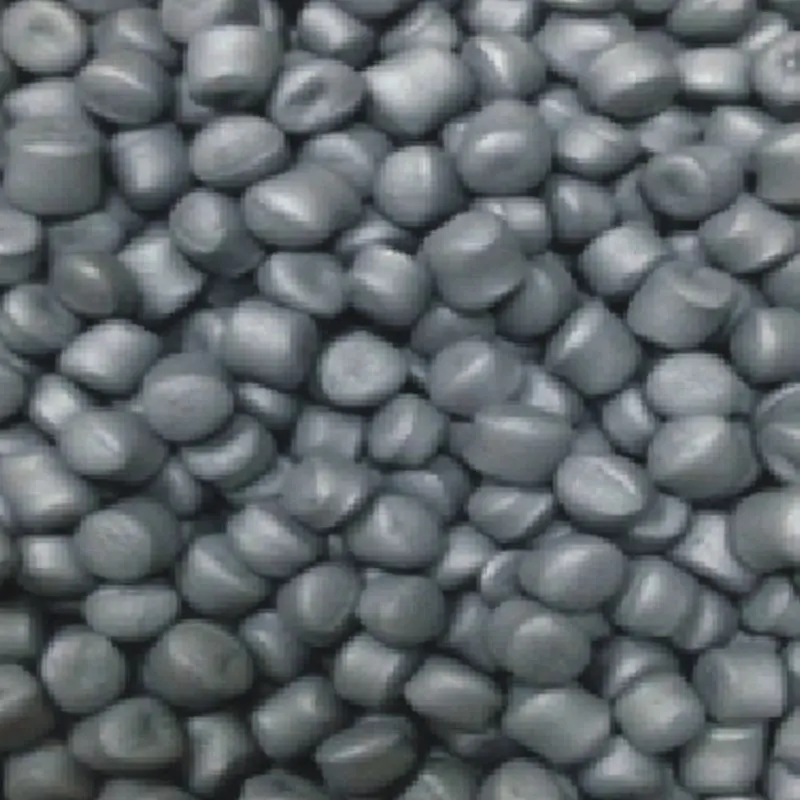
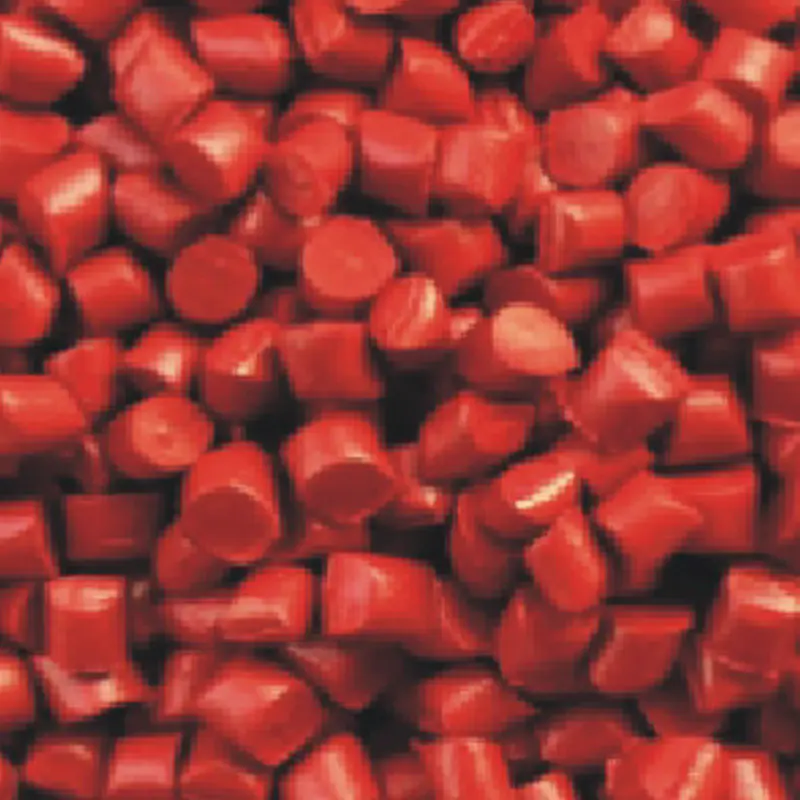
To reduce this issue, many manufacturers now use more stable Injection Color Masterbatch systems designed to improve pigment dispersion and maintain consistent color output during large-scale production.
Hygiene Requirements Are Expanding Beyond Medical Use
In recent years, demand for cleaner and safer plastic surfaces has expanded beyond healthcare applications. Buyers now expect hygiene-related performance in everyday products such as kitchenware, storage containers, personal care packaging, and frequently handled consumer items.
This shift has increased interest in functional materials that help reduce microbial growth on plastic surfaces. Traditional color additives only provide appearance control and do not offer any surface protection function.
As a result, more manufacturers are adopting Antimicrobial Color Masterbatch solutions to combine visual design with functional hygiene performance in a single material system.
Processing Conditions Still Affect Final Product Quality
Even with advanced machinery, injection molding quality is highly sensitive to processing conditions. Small variations in temperature, mixing time, or raw material behavior can advance to visible defects.
Common production issues include:
- flow marks or streaks on product surfaces
- uneven gloss levels
- inconsistent mechanical strength
- poor dispersion in thick-walled parts
These defects become more obvious in automated high-volume production, where stability is required across long operating cycles.
Raw Material Variability Creates Hidden Risks
Another frequent challenge is inconsistency in raw materials. Changes in pigment quality, carrier resin properties, or recycled content can all influence final product performance.
Manufacturers often experience:
- unpredictable color deviation under heat
- variation in opacity or transparency
- unstable additive distribution
- reduced repeatability in mass production
These issues make it difficult to maintain consistent product quality across multiple production batches, especially for export-oriented orders.
Why Functional Masterbatch Is Becoming More Important
Modern injection molding is no longer focused only on appearance. Buyers now expect materials that combine stable color performance with additional functional benefits.
To meet these expectations, material systems are being designed to improve:
- pigment dispersion stability
- processing adaptability across polymers
- heat resistance during molding
- consistency in large-scale production
- functional surface performance
This helps manufacturers reduce defect rates and minimize production adjustments during operation.
Color and Function Are Now Dual Requirements
The plastics industry is shifting toward a dual-demand model where both appearance and performance must be controlled at the material level. Buyers are no longer satisfied with color consistency alone—they also expect functional benefits such as improved hygiene performance and long-term stability.
As a result, solutions like Injection Color Masterbatch and Antimicrobial Color Masterbatch are becoming essential tools for manufacturers aiming to improve production reliability, reduce complaints, and meet evolving global market requirements.