

 Español
 русский
As global manufacturing industries continue to demand higher material performance and product differentiation, functional masterbatch technology is becoming increasingly important across plastic processing sectors. From household appliances and automotive components to food packaging and medical-grade products, manufacturers are looking for color solutions that not only improve visual consistency but also add functional value to plastic materials. In recent years, growing attention to hygiene, sustainability, and customized product design has accelerated innovation in advanced polymer additive technologies.
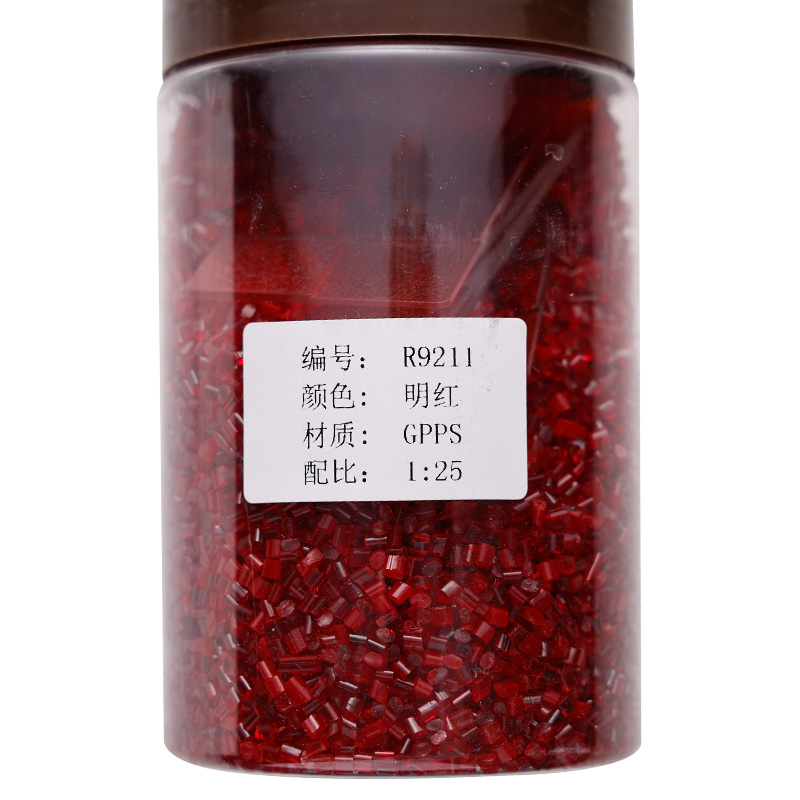
Across industrial exhibitions and material engineering discussions, buyers are increasingly prioritizing color stability, compatibility with multiple resin systems, and enhanced functional performance in plastic manufacturing processes.
Growing Demand for Functional and Customized Plastic Materials
The plastic processing industry is evolving beyond simple coloration. Today’s manufacturers require masterbatch solutions capable of supporting multiple production objectives simultaneously, including aesthetic enhancement, antibacterial protection, UV resistance, and production efficiency optimization.
Industries such as home appliances, cosmetics packaging, automotive interiors, and consumer electronics are placing higher demands on color consistency and long-term material stability. As a result, customized color matching and functional additive integration have become key purchasing considerations for overseas buyers.
Taizhou City Chuanghui Master Batch Co., Ltd., located in Zhejiang Province, has continued focusing on customized color masterbatch development for multiple industrial sectors, supporting different resin materials and specialized production requirements.
Material Compatibility and Injection Processing Performance
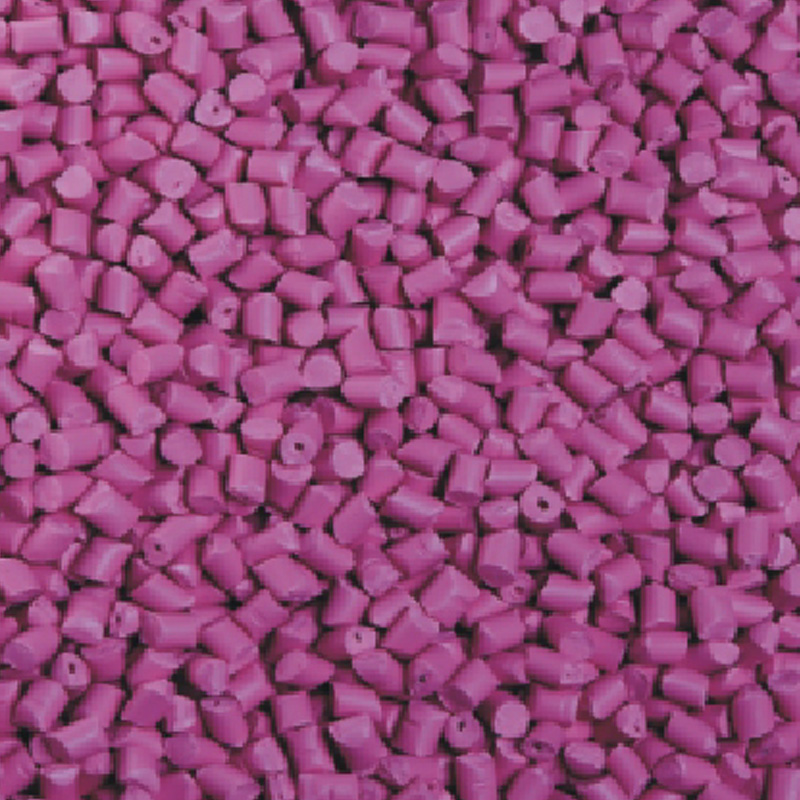
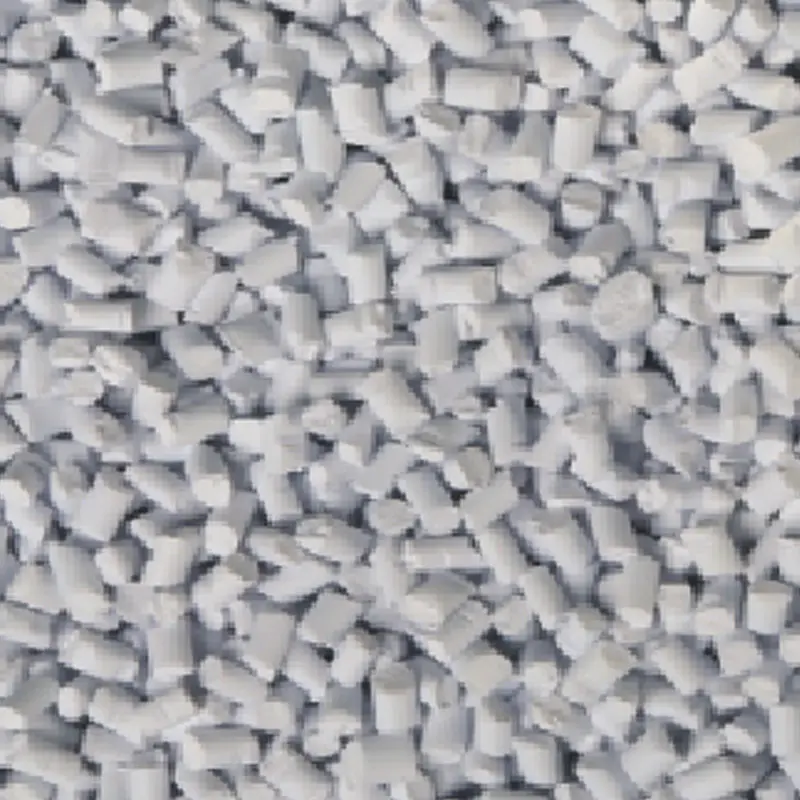
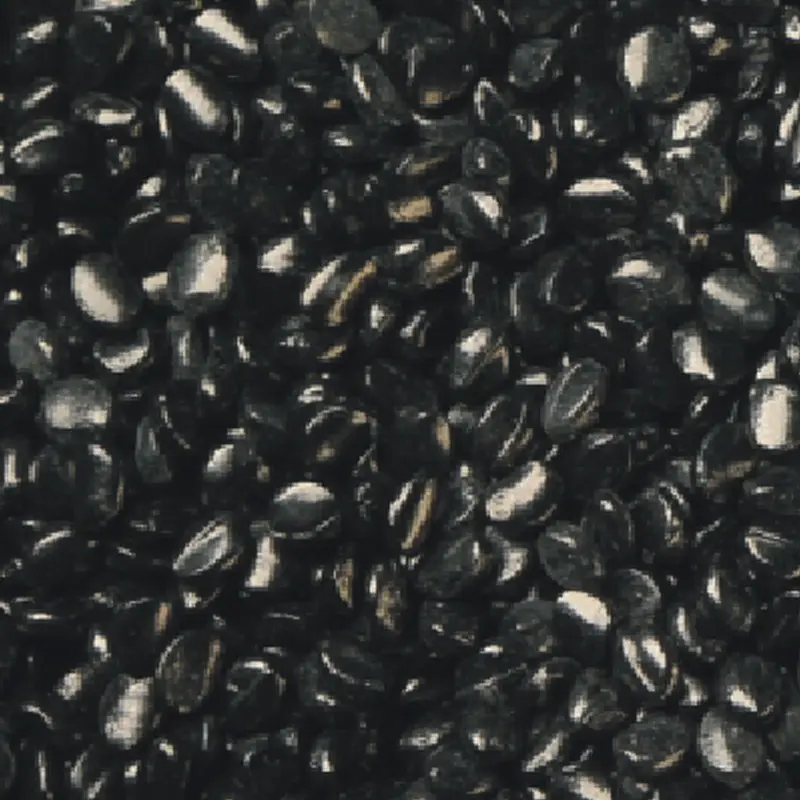
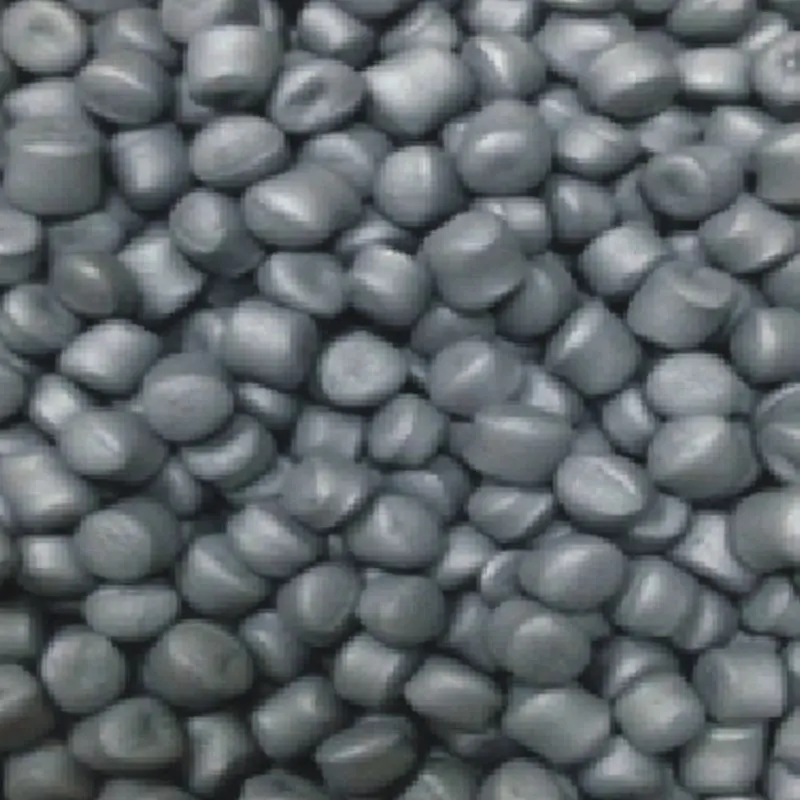
Color masterbatch performance depends heavily on carrier resin compatibility and pigment dispersion quality. Injection molding applications require stable thermal resistance and even color distribution to maintain product appearance during high-temperature processing cycles.
Modern masterbatch formulations are commonly designed for compatibility with:
- PP (Polypropylene)
- PE (Polyethylene)
- ABS engineering plastics
- PS and PET materials
- Various modified plastic compounds
Stable dispersion helps reduce color streaking, uneven pigmentation, and production waste during injection molding operations, which is particularly important in high-volume manufacturing environments.
The Rising Importance of Antimicrobial Plastic Solutions
In recent years, global consumers and industrial buyers have become increasingly concerned about hygiene-focused product materials. This trend has accelerated the adoption of antimicrobial plastic additives in sectors such as household products, medical accessories, food-contact packaging, and public-use equipment.
Functional masterbatch systems with antimicrobial properties are designed to support cleaner surface environments by integrating specialized additive technologies into plastic products during manufacturing. These solutions are increasingly used in:
- Refrigerator and appliance components
- Food storage containers
- Cosmetic packaging products
- Public facility plastic accessories
- Consumer electronics housings
As hygiene awareness continues to grow globally, demand for value-added functional plastics is expected to remain strong.
Manufacturing Technology and Quality Control Systems
As a manufacturer, maintaining production consistency is essential for stable downstream processing performance. Modern masterbatch production generally includes:
- High-speed raw material mixing and pre-dispersion
- Twin-screw extrusion for uniform additive distribution
- Precise temperature control during pelletizing
- Color consistency testing under different lighting conditions
- Melt flow index and compatibility inspection
Strict process control helps ensure stable dispersion performance and reduces production variability for injection molding manufacturers.
Application Advantages in Industrial Production
Functional masterbatch systems offer several practical benefits for plastic processors:
- Improved production efficiency through pre-dispersed additives
- More stable color consistency between batches
- Reduced dust contamination compared with powder pigments
- Easier handling and automated feeding compatibility
- Better integration with large-scale injection molding systems
These advantages are especially valuable for automated manufacturing lines that require stable material performance and consistent product appearance.
Usage Recommendations and Storage Considerations
To maintain good processing performance, manufacturers generally recommend:
- Storing masterbatch pellets in dry and ventilated environments
- Avoiding excessive moisture exposure before processing
- Matching processing temperature to carrier resin requirements
- Conducting color testing before mass production runs
- Using appropriate dosing ratios according to application needs
Proper storage and processing management help improve color stability and reduce production defects during injection molding operations.
Future Trends in Functional Masterbatch Development
The global plastics industry is moving toward higher-performance, multifunctional, and environmentally conscious material solutions. Buyers are increasingly seeking products that combine visual design flexibility with additional functional characteristics such as antimicrobial protection, UV resistance, and improved durability.
At the same time, demand for customized small-batch color development is increasing as brands focus more heavily on differentiated product design and market-specific packaging solutions.
In conclusion, advanced polymer additive technologies are playing a growing role in modern industrial manufacturing. As industries continue prioritizing product appearance, hygiene, and processing efficiency, demand for professional Antimicrobial Color Masterbatch and reliable Injection Color Masterbatch solutions is expected to expand across global plastic processing markets.