

 Español
 русский
Across the global plastics and packaging industry, color consistency has become one of the frequently discussed production challenges. Manufacturers in packaging, consumer goods, automotive interiors, and household products are increasingly reporting issues such as batch variation, uneven dispersion, and unstable pigment performance during mass production.
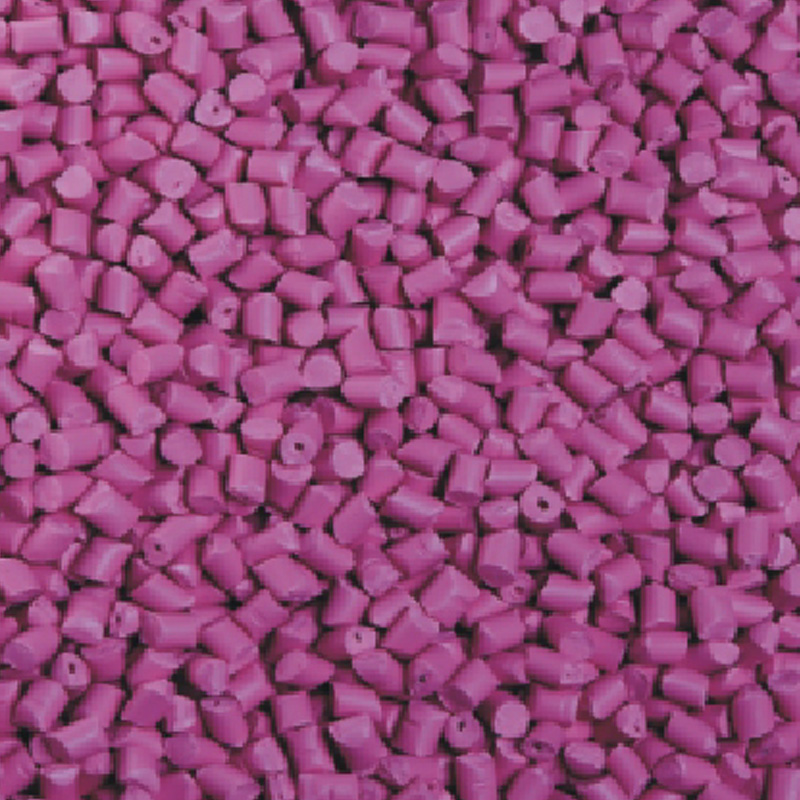
Recent overseas search trends highlight rising interest in terms such as “how to improve color uniformity in plastic injection molding,” “color variation in polypropylene production solutions,” and “high dispersion pigment masterbatch for stable output.” These concerns reflect a clear industry focus on improving quality control while maintaining production efficiency at scale.
Color Variation Remains a Major Issue in Injection Molding
One of the common problems faced by manufacturers is inconsistent coloration during injection molding processes. Even small deviations in raw material mixing or temperature control can advanceto noticeable differences in final product appearance.
Typical issues include:
- uneven pigment distribution in finished parts
- color fading or shifting during cooling cycles
- inconsistencies between production batches
- increased rejection rates in quality inspection
These challenges are pushing manufacturers to adopt more stable and pre-dispersed color solutions.
Process Stability Is Becoming a Key Procurement Requirement
Modern production environments require predictable and repeatable results. Buyers are no longer focused only on pigment price but also on long-term processing stability and compatibility with automated systems.
Key procurement priorities include:
- stable melt flow behavior during processing
- consistent dispersion under high-speed production
- reduced machine adjustment frequency
- compatibility with different polymer bases
This shift is particularly visible in large-scale packaging and consumer goods manufacturing.
Dispersion Quality Directly Impacts Final Product Performance
In plastic manufacturing, pigment dispersion quality plays a critical role in both appearance and material performance. Poor dispersion can advance to streaking, weak color intensity, or surface defects.
Manufacturers typically evaluate:
- pigment particle size distribution
- carrier resin compatibility
- thermal stability during processing
- resistance to color degradation over time
High-quality dispersion systems help reduce production defects and improve overall efficiency.
Injection Molding Efficiency Depends on Material Consistency
As production speeds increase, especially in automated molding lines, material consistency becomes essential for maintaining output quality. Variations in masterbatch quality can disrupt entire production cycles.
Common operational concerns include:
- inconsistent feeding behavior in automated systems
- color deviation during continuous production runs
- increased downtime for machine recalibration
- higher scrap rates due to unstable batches
This is driving stronger demand for pre-engineered color solutions that reduce operator intervention.
Industry Shift Toward Sustainable and Controlled Coloring Systems
Sustainability is also influencing material selection in the plastics industry. Manufacturers are looking for solutions that reduce waste, improve yield, and support more efficient use of raw materials.
Key sustainability-related trends include:
- reduced pigment overuse through optimized formulations
- improved production yield with fewer rejects
- better compatibility with recyclable polymers
- lower energy consumption in processing cycles
These factors are reshaping how companies evaluate color systems in long-term production planning.
Customization Is Becoming a Competitive Advantage in Global Supply Chains
Global buyers are increasingly requesting tailored color solutions to match specific product requirements, brand identities, and regional market preferences. Standard off-the-shelf pigments are often no longer sufficient for differentiated product lines.
Common customization needs include:
- precise color matching for brand consistency
- application-specific formulation adjustments
- compatibility with different polymer types
- stable performance under varying processing conditions
This is increasing collaboration between buyers and technical suppliers to develop application-specific solutions.
Color Technology Is Moving Toward Higher Precision Manufacturing
As product aesthetics become more important in global markets, manufacturers are investing in more precise and reliable coloring systems to maintain competitive advantage.
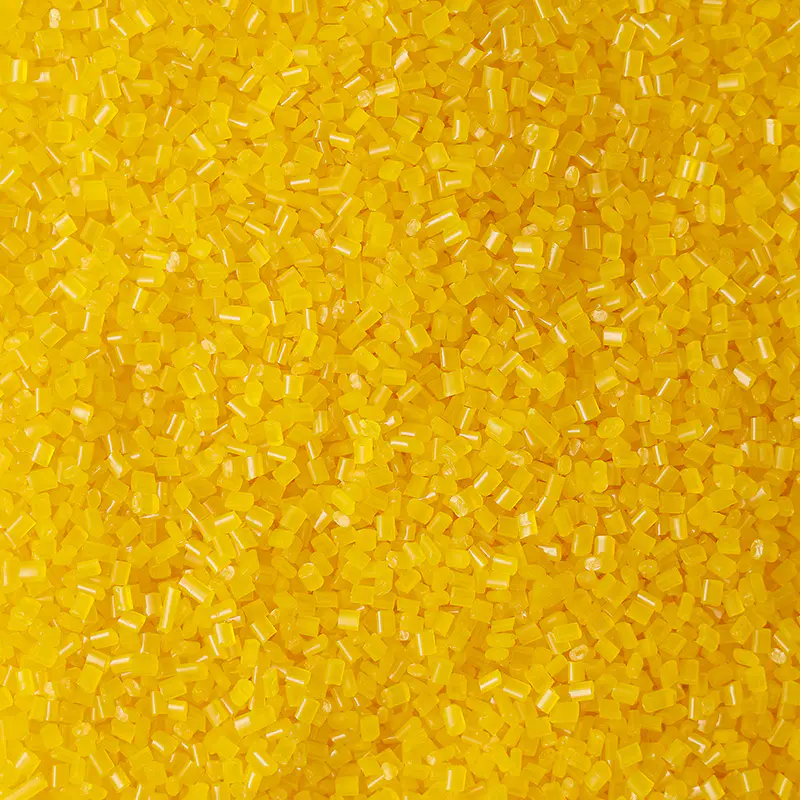
This is why demand for Injection Color Masterbatch continues to grow across multiple industries, while professional sourcing from a specialized Color Masterbatch Factory remains essential for ensuring stable quality, consistent dispersion performance, and scalable production efficiency in modern plastic manufacturing supply chains.