

 Español
 русский
Across the plastics industry, product differentiation is no longer driven by color alone. Global buyers are increasingly searching for solutions that combine decorative appearance with practical performance. Recent searches such as pearl effect masterbatch for cosmetic packaging, anti-static additive for injection molding, ESD plastic color compound, and Pearlescent Color Masterbatch reflect a growing demand for multifunctional materials. At the same time, industries ranging from electronics to personal care packaging are adopting Antistatic Color Masterbatch to solve dust attraction and electrostatic discharge challenges while maintaining attractive product finishes.
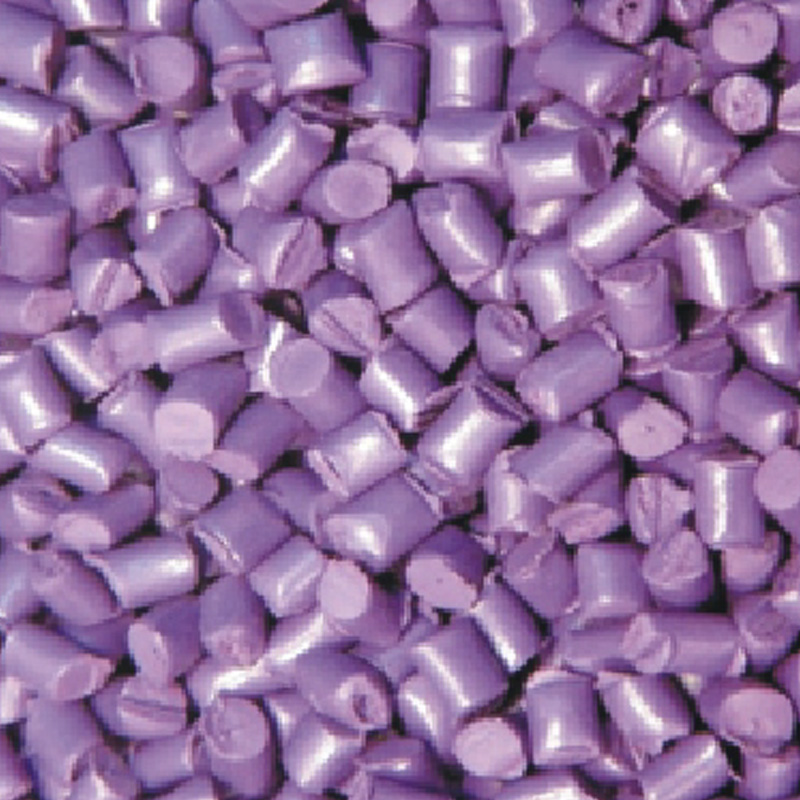
For manufacturers, functional masterbatch is becoming an effective way to improve product value without adding extra finishing processes.
Why Appearance Has Become Part of Product Performance
Consumers today often associate visual quality with overall product quality. On platforms such as Instagram, Pinterest, and TikTok, metallic finishes, satin textures, and pearl-like effects have become common design trends in beauty packaging, home appliances, and consumer electronics.
Manufacturers therefore require materials that not only create attractive visual effects but also remain stable during mass production.
A well-designed masterbatch should provide:
- Consistent color from batch to batch
- Uniform dispersion throughout the resin
- Stable gloss after molding
- Compatibility with automated production
- Minimal influence on cycle time
These characteristics help manufacturers maintain both efficiency and product consistency.
Pearlescent Effects Without Additional Surface Treatment
Traditional painting or vacuum metallization increases production complexity and operating costs. More manufacturers are integrating decorative effects directly into the molding process.
Modern Pearlescent Color Masterbatch provides several production advantages:
- Pearl-like depth without secondary coating
- Uniform appearance across complex molded geometries
- Stable processing under standard injection molding temperatures
- Reduced risk of coating peeling during product use
- Better production efficiency by eliminating additional finishing steps
This approach allows manufacturers to simplify production while achieving premium-looking plastic products.
Static Control Is Becoming Essential Across More Industries
Electrostatic buildup affects far more than electronic products. Plastic packaging, household products, and industrial components can all experience problems caused by static electricity.
Common production challenges include:
- Dust collecting on glossy plastic surfaces
- Difficulty separating stacked molded parts
- Static discharge affecting sensitive electronic assemblies
- Increased manual cleaning before packaging
- Reduced appearance quality during transportation and storage
These issues explain why more buyers are considering functional additives during the product design stage rather than after production begins.
Integrating Decorative and Functional Performance
Instead of purchasing separate additive systems, many manufacturers now prefer formulations that improve both appearance and functionality.
Key advantages include:
- Decorative surface effects combined with static reduction
- Simplified material management
- Improved consistency throughout production
- Lower secondary processing requirements
- Better suitability for automated manufacturing
This integrated approach supports both production efficiency and finished product quality.
What Professional Buyers Evaluate Before Choosing a Masterbatch Supplier
As a manufacturer, we have seen procurement priorities change significantly over the past few years. Buyers are placing greater emphasis on long-term manufacturing performance instead of simply comparing color samples.
Evaluation criteria commonly include:
- Dispersion consistency in different resin systems
- Compatibility with injection, extrusion, and blow molding
- Stable processing behavior during large production runs
- Technical support for formulation optimization
- Reliable batch consistency for repeat orders
These factors help reduce production risks while improving manufacturing efficiency.
Future Demand Is Moving Toward Multifunctional Plastic Materials
Plastic products continue to evolve from simple molded components into value-added products that combine design, functionality, and manufacturing efficiency. Decorative appearance, dust resistance, and stable processing are increasingly expected within a single material solution.
For manufacturers seeking to improve product competitiveness, combining Pearlescent Color Masterbatch with Antistatic Color Masterbatch offers an effective way to enhance appearance, improve processing stability, and meet the changing expectations of global OEMs, converters, and brand owners.