

 Español
 русский
As global plastic processing continues to move toward higher-value applications, manufacturers are looking beyond basic color solutions. Recent searches such as functional color masterbatch for consumer electronics, ESD plastic compound solution, metallic effect masterbatch for cosmetic packaging, and Pearlescent Color Masterbatch show that buyers are increasingly seeking materials that combine visual appeal with functional performance. At the same time, demand for Antistatic Color Masterbatch is growing across electronics, packaging, automotive, and household products, where static control is becoming an essential product requirement rather than an optional feature.
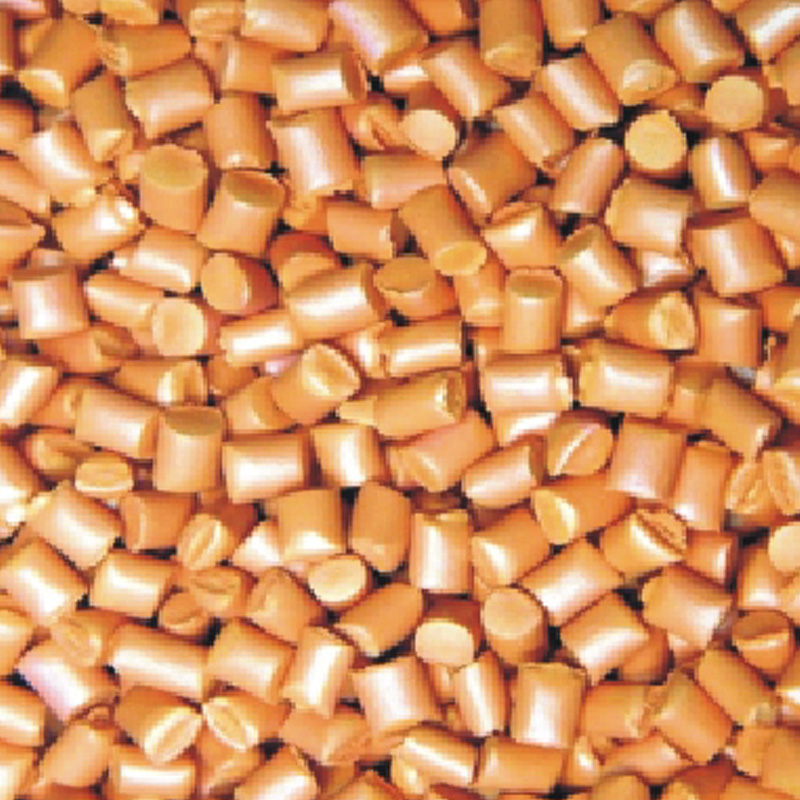
Why Are Functional Additives Replacing Traditional Color Solutions?
Consumers now expect plastic products to deliver premium aesthetics while maintaining reliable performance. This trend is particularly visible in cosmetic packaging, smart home devices, food packaging, and consumer electronics shared across social media platforms, where surface appearance often influences purchasing decisions.
Manufacturers therefore need masterbatch solutions that can:
- Produce consistent color across different production batches
- Maintain gloss and decorative effects after molding
- Minimize color variation during large-volume production
- Integrate additional functional properties without changing processing conditions
- Support efficient manufacturing while reducing secondary finishing processes
As a result, functional masterbatch has become an important part of product development.
Pearlescent Effects Create More Than Visual Appeal
A metallic or pearlescent appearance is no longer limited to luxury products. Many everyday plastic products now adopt sophisticated surface effects to improve shelf appeal without increasing manufacturing complexity.
Modern Pearlescent Color Masterbatch offers several practical advantages:
- Uniform pearlescent dispersion throughout molded parts
- Improved surface depth and visual texture
- Stable color performance under standard processing temperatures
- Compatibility with common polymers including PP, PE, ABS and PS
- Reduced need for additional painting or coating processes
For manufacturers, integrating decorative effects directly into the molding process simplifies production while helping products stand out in competitive markets.
Why Static Electricity Has Become a Bigger Manufacturing Concern
Static electricity creates challenges that go far beyond attracting dust. In many industrial environments, electrostatic buildup can affect both product quality and production efficiency.
Common issues include:
- Dust contamination on glossy plastic surfaces
- Difficulty handling lightweight packaging materials
- Electrostatic discharge affecting electronic components
- Increased cleaning requirements before packaging
- Poor customer perception caused by dust accumulation during retail display
These concerns explain why more buyers are searching for reliable antistatic solutions during material selection.
How Antistatic Masterbatch Improves Product Performance
Rather than applying temporary surface treatments, many manufacturers now incorporate antistatic performance directly into the plastic formulation.
Key benefits of Antistatic Color Masterbatch include:
- Lower surface static accumulation during normal use
- Better cleanliness throughout production and storage
- Improved handling in automated packaging systems
- Enhanced suitability for electronic product housings
- Consistent performance throughout the finished component
Integrating antistatic functionality during compounding also helps reduce additional post-processing steps.
Selecting the Right Masterbatch Requires More Than Color Matching
Professional buyers are increasingly evaluating suppliers based on technical support and processing consistency instead of focusing only on shade cards.
When selecting a masterbatch supplier, procurement teams commonly evaluate:
- Compatibility with injection molding, extrusion, and blow molding
- Dispersion stability across different resin systems
- Batch-to-batch color consistency
- Processing temperature compatibility
- Technical assistance for formulation optimization
A manufacturer capable of supporting both material performance and production efficiency offers greater long-term value.
Where Functional Masterbatch Is Seeing the Fastest Growth
Demand continues to expand across industries that require both decorative appearance and reliable functional performance.
Typical applications include:
- Cosmetic bottles and beauty packaging
- Consumer electronics housings
- Household appliance components
- Food and daily chemical packaging
- Automotive interior plastic parts
- Smart home products and accessories
These industries increasingly prioritize materials that improve both aesthetics and manufacturing efficiency.
Functional Materials Will Continue to Drive Plastic Innovation
As manufacturers continue to develop premium plastic products, the demand for multifunctional materials will keep growing. Decorative appearance, stable processing, and functional performance are no longer separate purchasing criteria—they are expected to work together within a single formulation.
For companies seeking differentiated products and more efficient production, combining Pearlescent Color Masterbatch with Antistatic Color Masterbatch provides a practical approach to improving product value, enhancing manufacturing consistency, and meeting the evolving expectations of global markets.