

 Español
 русский
In today’s competitive plastics industry, achieving consistent color quality and visual differentiation is more important than ever. As a professional manufacturer of Injection Color Masterbatch, we have seen increasing demand from global buyers for reliable, high-performance coloring solutions that integrate seamlessly into modern production lines. From packaging to automotive parts, manufacturers are seeking materials that not only enhance product appearance but also improve processing efficiency and long-term stability. This shift is driving the adoption of advanced masterbatch technologies across global supply chains.
Product Overview: What Makes Color Masterbatch So Effective?
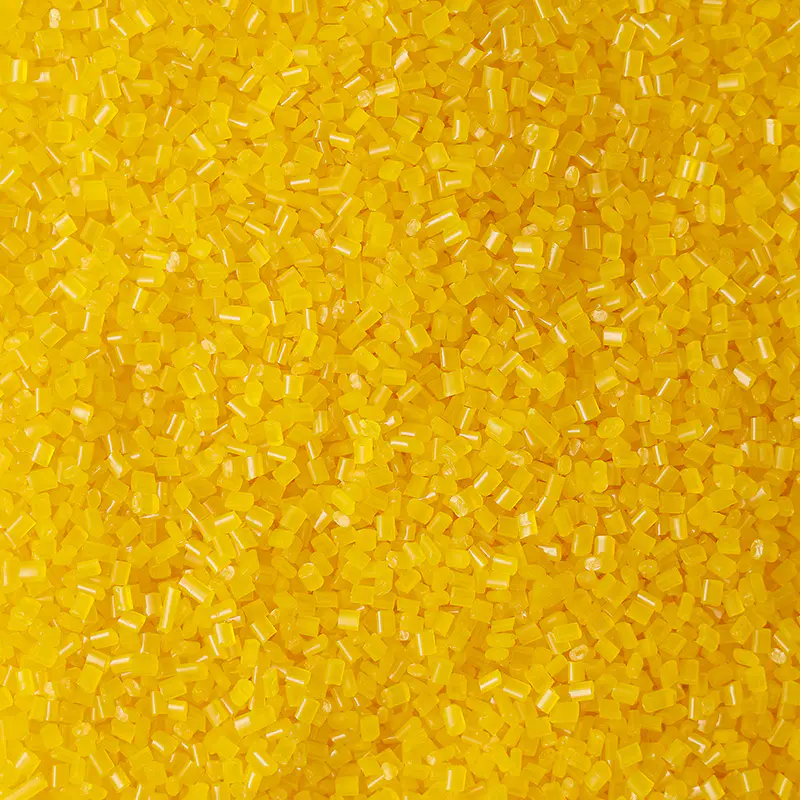
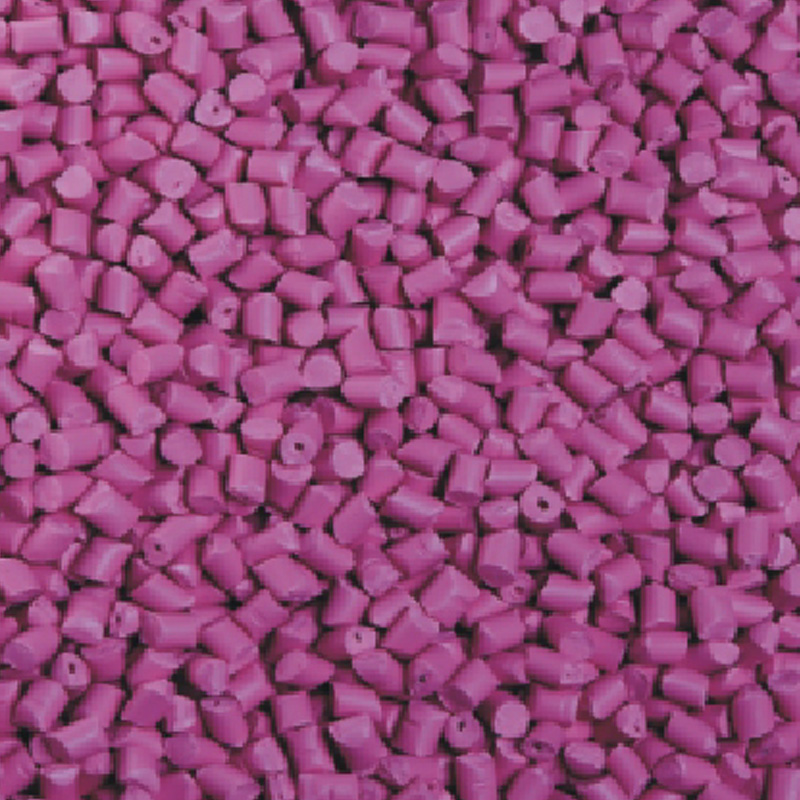
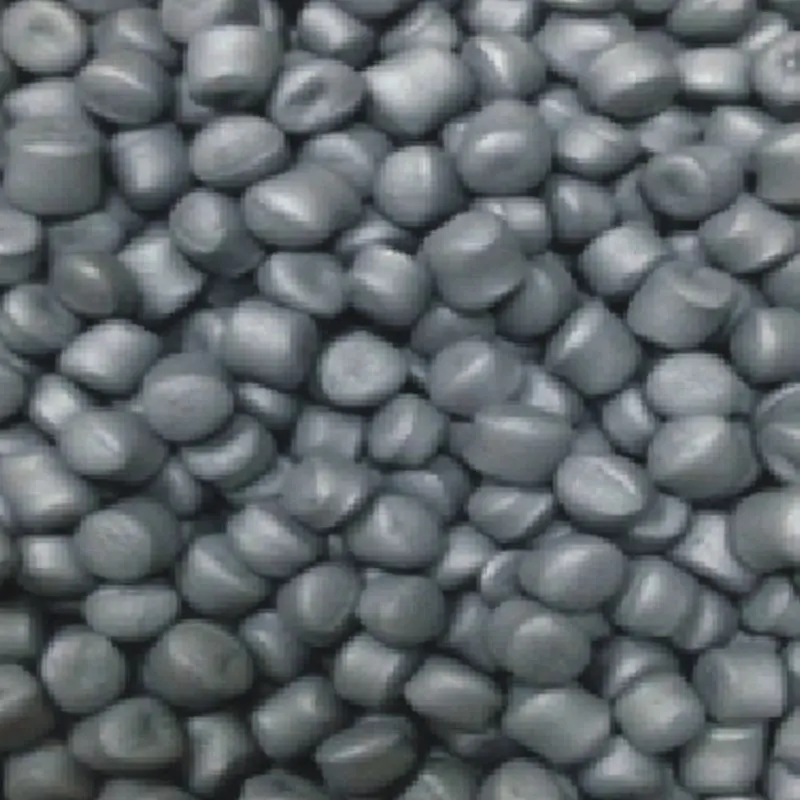
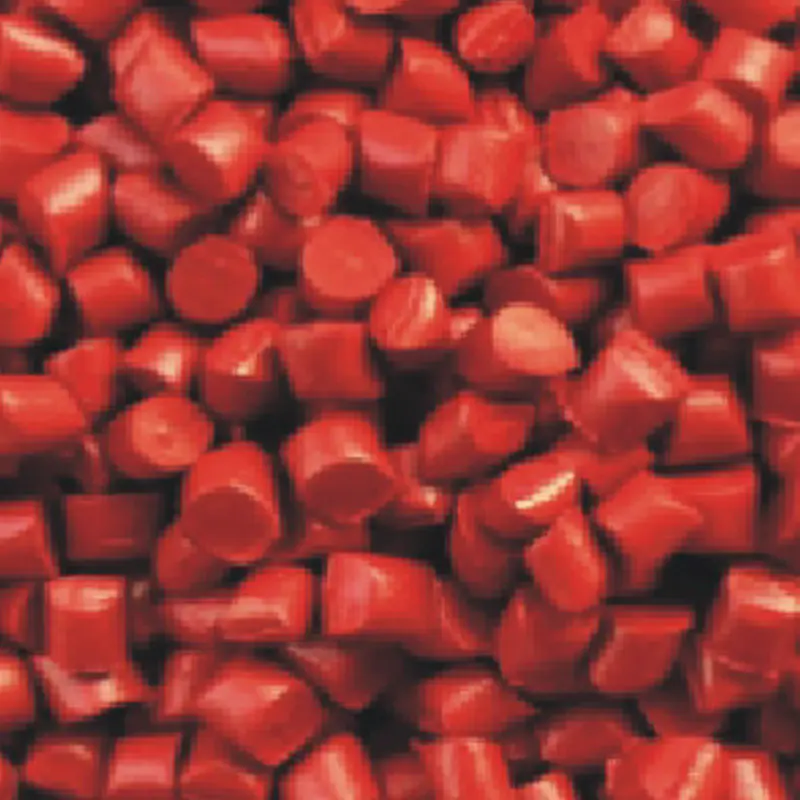
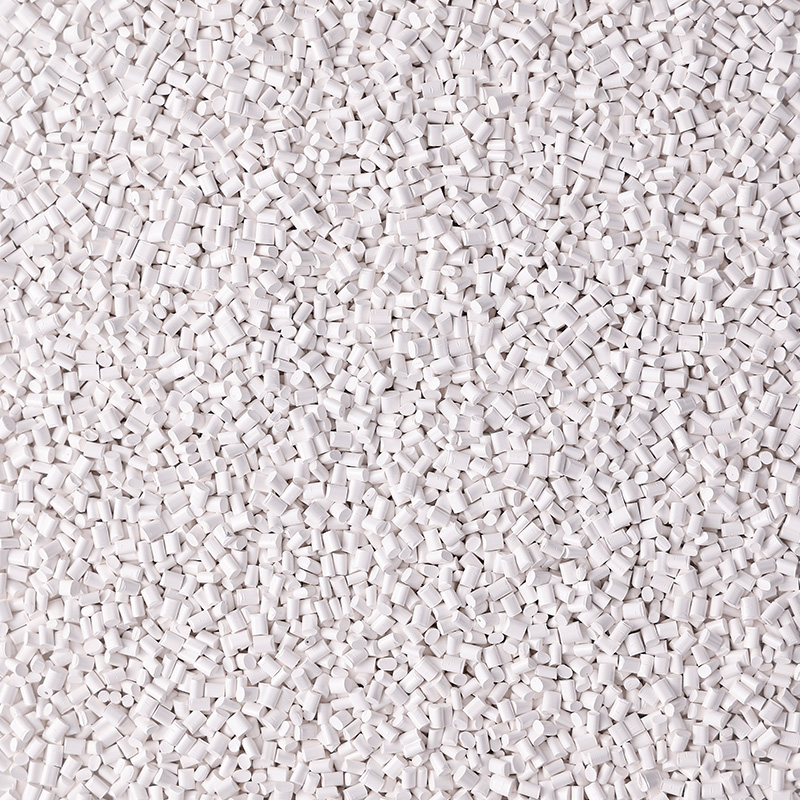
Color masterbatch is a concentrated mixture of pigments, carrier resins, and functional additives designed for plastic processing. It allows manufacturers to achieve precise color control during injection molding, extrusion, or blow molding. Compared with traditional coloring methods, masterbatch provides advanced dispersion and consistent color performance.
High-quality masterbatch solutions are engineered to ensure thermal stability, light resistance, and uniform pigment distribution, even under demanding processing conditions. These properties make them suitable for high-speed production environments where consistency and efficiency are critical.
Expanding Application Scenarios Across Industries
Modern industries rely heavily on color masterbatch solutions to enhance both functionality and aesthetics:
- Packaging Industry: Improves shelf appeal and brand recognition
- Automotive Components: Provides durable and heat-resistant coloration
- Consumer Goods: Enhances visual quality for household and lifestyle products
- Electronics: Supports precision molding with stable color output
- Textiles and Fibers: Enables consistent coloration in synthetic materials
In particular, the packaging sector remains a key driver, as manufacturers increasingly focus on visual differentiation to attract consumers.
Key Advantages Driving Market Adoption
Manufacturers are turning to advanced masterbatch solutions for several reasons:
Consistent Color Output: Uniform dispersion reduces defects and waste
Process Efficiency: Easy integration into existing molding systems
Cost Optimization: Eliminates secondary painting or coating steps
Environmental Compatibility: Supports low-VOC and recyclable material systems
Customization Flexibility: Tailored shades and effects based on application needs
These advantages align with current industry trends emphasizing efficiency, sustainability, and product differentiation.
Materials and Technical Composition
Modern color masterbatches are formulated using carefully selected materials:
- Pigments: High-performance organic or inorganic pigments for stability
- Carrier Resins: Compatible with polymers such as PE, PP, PET, ABS
- Additives: UV stabilizers, antioxidants, and dispersion agents
For special visual effects, pearlescent masterbatches incorporate materials such as mica or titanium dioxide to create reflective and layered optical finishes.
This composition ensures that the final plastic product maintains both visual appeal and mechanical performance.
Processing Guidelines for Optimal Performance
To achieve results with color masterbatch, proper processing control is essential:
Ensure compatibility between masterbatch and base resin
Maintain stable processing temperatures to avoid color deviation
Avoid contamination from dust or moisture during production
Use appropriate dosing ratios for consistent color intensity
Conduct small-scale testing before full production runs
Following these practices helps prevent issues such as uneven dispersion or color inconsistency during manufacturing.
Industry Trends Shaping Future Demand
Recent global discussions across LinkedIn and manufacturing forums highlight several key trends:
- Growing demand for aesthetic and premium finishes in consumer products
- Increased adoption of eco-friendly and recyclable masterbatch solutions
- Rising interest in custom color effects, including metallic and pearlescent finishes
- Integration of advanced dispersion technologies for improved performance
Notably, pearlescent finishes are gaining traction in cosmetics and premium packaging due to their ability to enhance perceived product value without additional processing steps.
Enhancing Product Value Through Advanced Color Solutions
As global manufacturing continues to evolve, color masterbatch solutions are playing a central role in improving both efficiency and product appeal. By combining precise color control, material compatibility, and process optimization, manufacturers can achieve consistent and high-quality results across applications. For businesses seeking to stand out in competitive markets, integrating advanced solutions such as Pearlescent Color Masterbatch offers a practical way to elevate product design while maintaining production efficiency.