

 Español
 русский
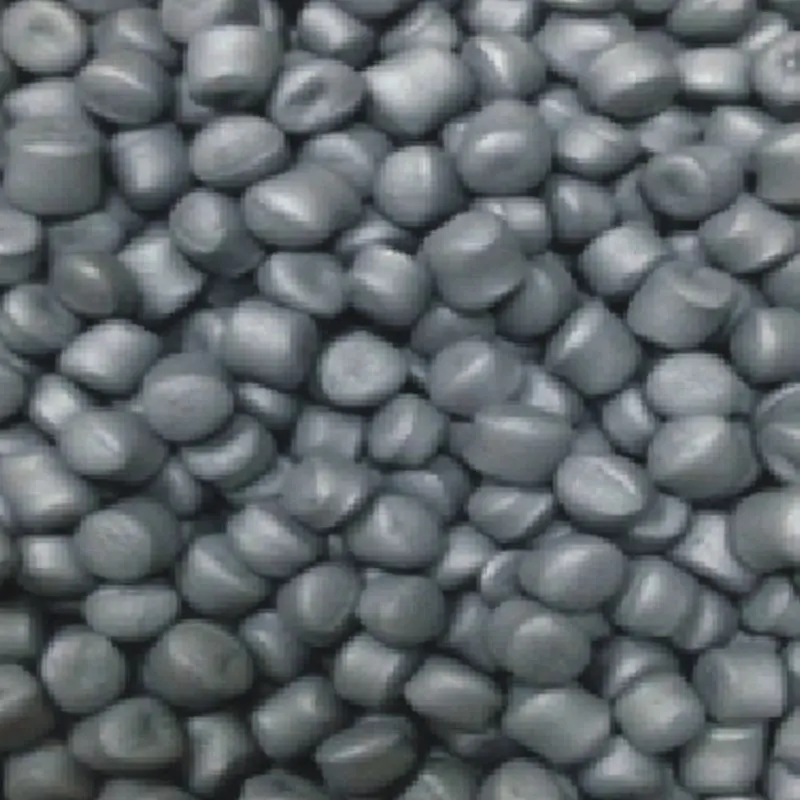
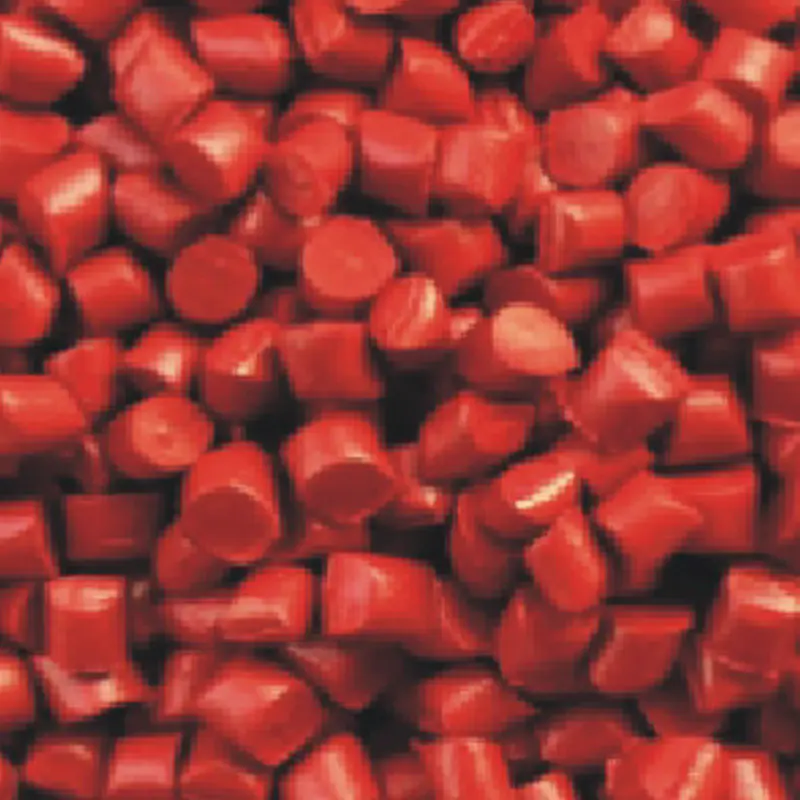
In the world of plastic manufacturing, Injection Color Masterbatch plays a vital role in achieving consistent color and enhancing the performance of products. These masterbatches are concentrated mixtures of pigments or additives encapsulated in a carrier resin, which can be blended with natural polymer during the injection molding process. Selecting the right type of masterbatch is crucial to ensure product quality, process efficiency, and functional performance.
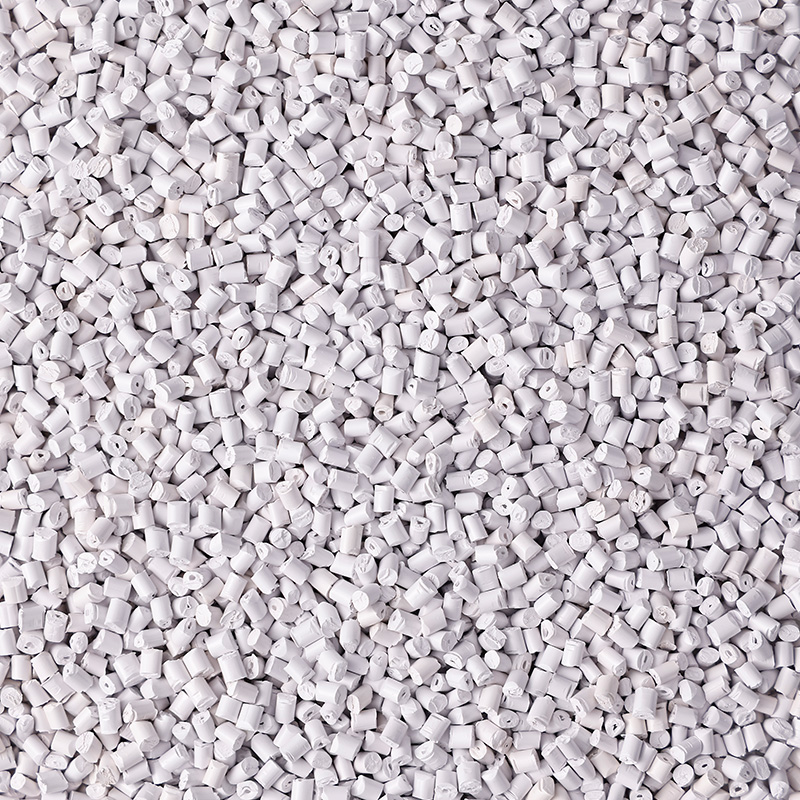
Understanding Injection Color Masterbatch
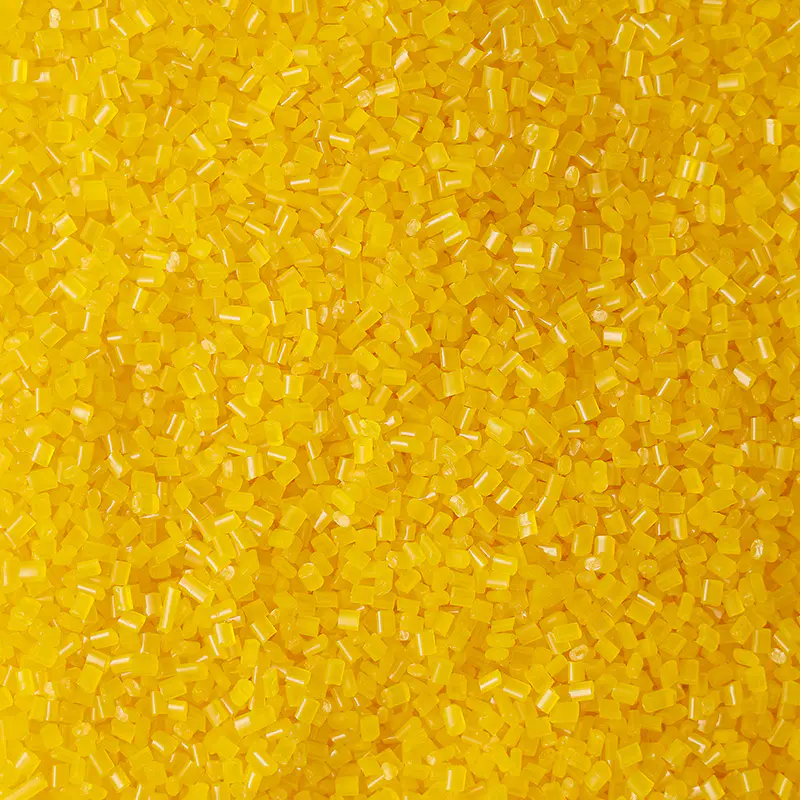
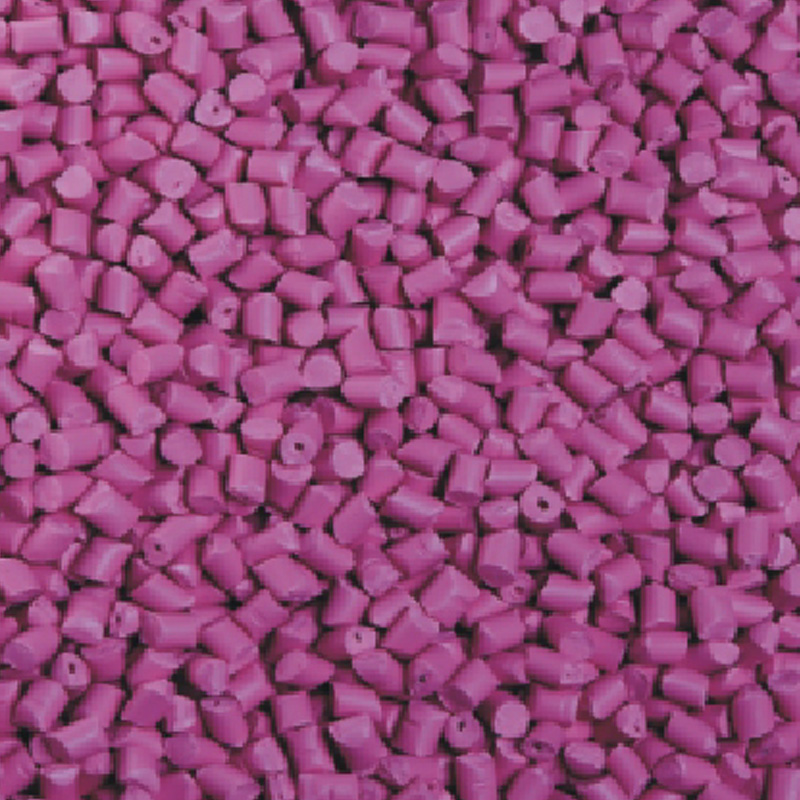
An Injection Color Masterbatch is primarily designed to impart color to plastic products. Unlike direct pigment addition, using a masterbatch simplifies the coloring process, reduces waste, and improves color uniformity. When choosing a masterbatch, consider the type of polymer you are using. For example, polypropylene, polyethylene, and ABS each have different processing temperatures and compatibility requirements. Selecting a masterbatch with a compatible carrier resin helps maintain consistent dispersion and avoids issues like streaking or uneven color.
Additionally, the concentration of pigment in the masterbatch affects the final appearance. A higher pigment load can provide more vibrant colors, but it may also influence the flow characteristics of the polymer during injection molding. Understanding your target color intensity and the processing conditions of your molding machine will guide your choice.
Functional Masterbatch for Enhanced Performance
Beyond aesthetics, Functional Masterbatch offers additional properties that can enhance the performance of plastic products. These masterbatches may include additives for UV resistance, flame retardancy, anti-static behavior, or antibacterial effects. Integrating a functional masterbatch into your production allows you to improve product longevity and meet specific application requirements without altering your base polymer significantly.
When selecting a functional masterbatch, it is important to evaluate both the type and concentration of additives. Some additives may require precise dispersion to be effective, while others may affect mechanical properties if used in excess. Careful consideration ensures that your products achieve the desired performance characteristics without compromising structural integrity or process efficiency.
Key Considerations for Selection
Choosing the right masterbatch requires balancing several factors. One, assess the compatibility with your base polymer, as incompatible masterbatches may cause processing difficulties or defects. Second, consider the processing temperature and molding conditions. Some pigments or additives can degrade at high temperatures, resulting in color changes or reduced functionality.
Another important factor is the end-use environment. Products exposed to sunlight, heat, or chemicals may benefit from UV-stable or chemical-resistant masterbatches. Similarly, applications that involve food contact or medical use should use additives that comply with relevant safety standards.
Practical Tips for Application
Before committing to large-scale production, testing masterbatches in small batches can help identify potential issues. This allows you to evaluate color consistency, mechanical properties, and additive effectiveness. It is also useful to document processing parameters such as injection temperature, cooling time, and melt flow rate, as these can affect the final appearance and performance.
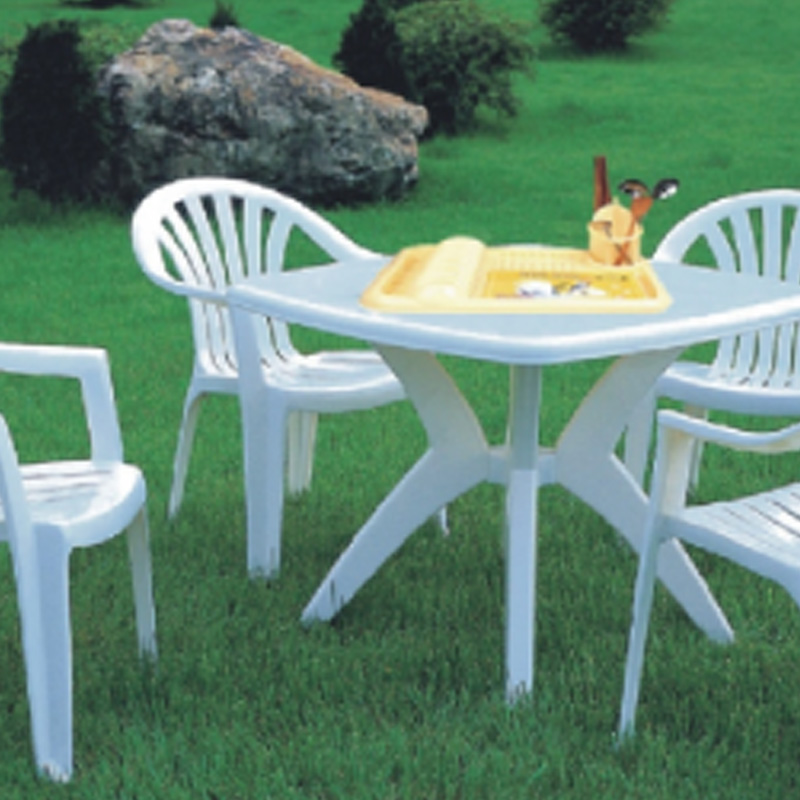
In some cases, combining a color masterbatch with a functional masterbatch can be beneficial. For example, adding a UV-stable masterbatch alongside your chosen color can protect outdoor products from fading while maintaining the desired aesthetic. Careful blending and trial runs ensure that the final product meets both visual and functional requirements.
Selecting the right Injection Color Masterbatch and Functional Masterbatch involves understanding polymer compatibility, processing conditions, and application needs. By carefully evaluating these factors and conducting small-scale testing, manufacturers can achieve consistent color, enhanced product performance, and reliable processing. Paying attention to both aesthetic and functional aspects helps create plastic products that are visually appealing, durable, and suited to their intended use.
Masterbatches, whether for color or functionality, are more than just additives—they are tools that allow plastic products to meet both performance and design goals efficiently. With thoughtful selection and testing, manufacturers can ensure that their injection-molded products perform reliably while maintaining the desired appearance.