

 Español
 русский
In today’s competitive plastic industry, materials are expected to deliver more than basic functionality. Overseas buyers, designers, and product developers are increasingly discussing how Pearlescent Color Masterbatch can enhance product appearance while functional additives improve everyday usability. At the same time, safety, hygiene, and brand differentiation are becoming central topics across international social media, packaging forums, and manufacturing communities, pushing color masterbatch solutions into the spotlight.
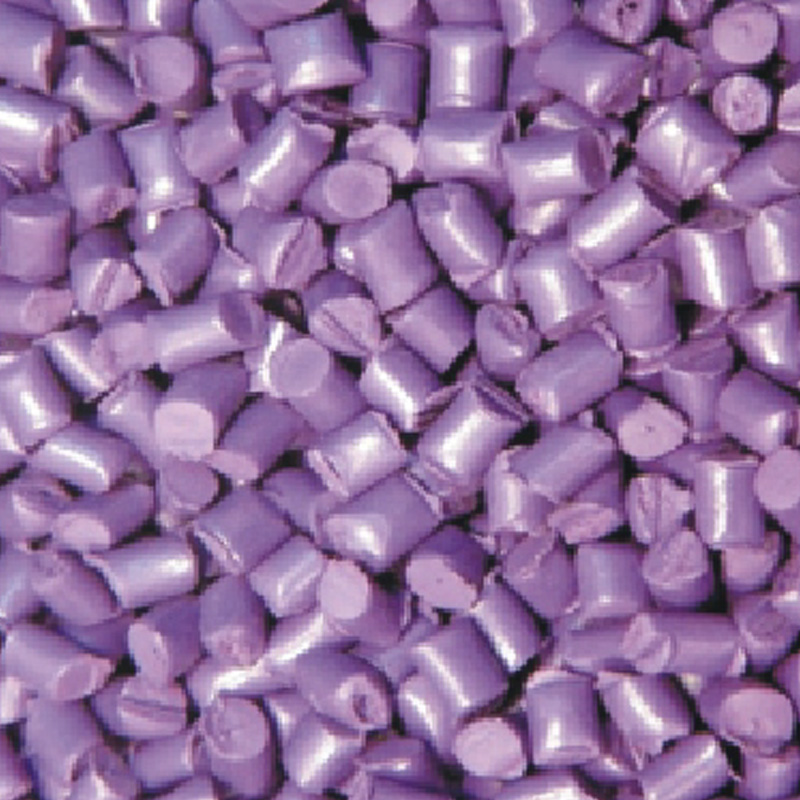
The Shift from Basic Coloring to Material Design
In the past, color was often treated as a finishing detail. Today, global manufacturers view color as part of material design. Color masterbatches influence how a product feels, looks, and performs throughout its lifecycle.
Pearlescent effects, in particular, are gaining popularity because they create depth and visual movement without complex processing changes. This makes them attractive for brands seeking premium aesthetics while maintaining efficient production. As overseas markets focus more on consumer experience, color masterbatches are becoming a strategic design tool rather than a decorative afterthought.
Premium Appearance Supporting Brand Differentiation
In crowded global markets, product appearance plays a key role in purchasing decisions. Consumers often associate soft shimmer and refined finishes with higher perceived quality.
Pearlescent color effects allow plastic products to stand out subtly rather than aggressively. From home appliances to lifestyle packaging, these finishes help brands communicate elegance and modernity. Overseas brand owners frequently discuss how such visual upgrades can strengthen shelf presence without altering product structure.
Hygiene Awareness Driving Functional Additives
Beyond aesthetics, hygiene and safety are major concerns in international discussions. Increased awareness around cleanliness has influenced material choices in packaging, household items, and frequently touched products.
Functional masterbatches that incorporate protective features directly into plastics are viewed as practical solutions. Instead of relying on external coatings, manufacturers can embed functionality into the material itself, supporting consistent performance over time and simplifying production processes.
Integrating Function and Color for Added Value
One of the key advantages of modern masterbatch solutions is integration. By combining color and functionality, manufacturers can streamline production while adding tangible value to finished products.
This integrated approach is especially appealing to overseas buyers who prioritize efficiency and consistency. Products that look refined and offer additional functional benefits are often perceived as more reliable and thoughtfully designed, strengthening brand trust in international markets.
Applications Across Multiple Global Industries
Color masterbatches are widely used because they adapt well to diverse applications. International buyers commonly apply them in:
- Food and beverage packaging
- Personal care and cosmetic containers
- Household and kitchen products
- Medical and healthcare-related plastic items
- Consumer electronics housings
This broad applicability allows companies to maintain consistent material strategies across different product categories, reducing sourcing complexity and improving quality control.
Consistency and Technical Support Matter to Overseas Buyers
In export-focused manufacturing, consistency is critical. Overseas clients often emphasize stable color dispersion, repeatable performance, and reliable technical support.
Manufacturers that maintain controlled formulations and transparent communication tend to earn stronger trust. Consistency not only protects brand image but also reduces production risks, which is especially important for long-term international partnerships.
Sustainability and Long-Term Product Performance
Sustainability is increasingly discussed alongside aesthetics and functionality. Global buyers want materials that support longer product lifecycles and reduce unnecessary processing steps.
By integrating color and functional benefits directly into the plastic matrix, masterbatches can help minimize additional treatments and material waste. This approach aligns with international trends toward responsible manufacturing and efficient resource use.
Customization Supporting Global Brand Identity
Customization has become a major expectation in overseas markets. Brands want materials that reflect their identity through unique color tones and functional features.
Manufacturers offering tailored masterbatch solutions are often viewed as collaborative partners rather than simple suppliers. This flexibility supports innovation and allows brands to respond quickly to changing market trends.
As global demand shifts toward materials that combine aesthetics, safety, and efficiency, color masterbatches are taking on a more influential role in plastic manufacturing. While Pearlescent Color Masterbatch helps brands achieve refined and modern visual effects, functional solutions such as Antimicrobial Color Masterbatch add practical value that aligns with today’s hygiene-conscious markets. Together, they represent how thoughtful material choices can support brand differentiation, production efficiency, and long-term performance in competitive international environments.